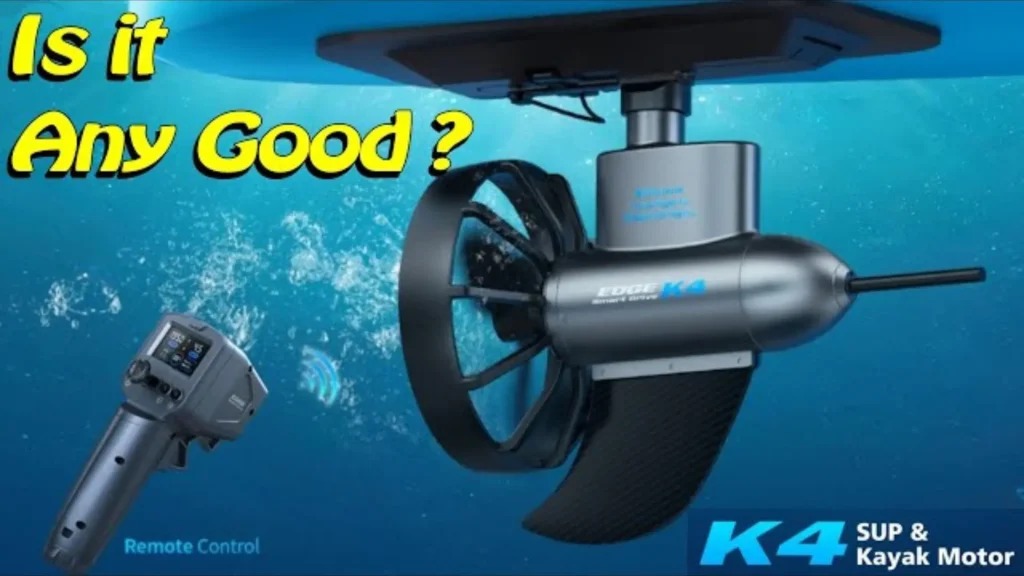
GPS trolling motor for kayak fishing is revolutionizing how anglers experience the water. Kayaking gear has come a long way, and the gadgets that improve time on the water keep getting better. For anglers in small boats, a GPS trolling motor is one of the most impactful upgrades you can make.
This article walks through what these motors do, how to mount one on a kayak, what kind of accuracy to expect, the top picks for 2024, routine maintenance, and how a GPS motor helps you catch more fish with less effort. Too many paddlers waste energy fighting wind or miss productive spots because they can’t hold position — a GPS trolling motor fixes that so you can fish more and worry less.
Adding GPS-driven motors to kayaks is just one way technology is changing recreational fishing — making it easier to find fish, reach new water, and share your trips with others.
How technology is changing recreational fishing
Technology developed for anglers and adopted by the broader fishing community has changed how people interact with fisheries. New tools help anglers locate and catch fish, imitate prey more convincingly, reach waters that were tougher to access, and document outings. In short, tech touches almost every part of recreational fishing.
Technological innovations in the recreational fishing sector: implications for fisheries management and policy, SJ Cooke, 2021
What Is a GPS Trolling Motor and How Does It Boost Kayak Fishing?
A GPS trolling motor pairs a compact electric drive with GPS navigation. On a kayak it lets you set waypoints, follow a route, hold a heading, or lock onto a spot so you don’t drift. The biggest payoff is spending less time steering and more time fishing. Beyond convenience, a GPS motor also improves safety by helping you avoid hazards and stay where you want to be as wind or current change.
How GPS Technology Improves Kayak Navigation and Positioning
GPS provides live position data so you can mark productive spots and return exactly where you were catching fish. Instead of guessing or fighting current, you can navigate to specific holes, save productive areas, or follow a planned line. That repeatability turns frustrating days into productive ones and makes it easier to explore new water with confidence.
Key Features to Look For in the Best GPS Trolling Motors
When shopping for a GPS trolling motor, focus on a few features that matter most:
- Battery Life: Long runtime matters on full days. Either a larger battery or an efficient motor keeps you on the water longer.
- Control Options: Remotes, foot pedals, or phone integration let you adjust settings without breaking your cast.
- Durability: Saltwater-grade components, solid mounts, and weather-resistant electronics stand up to real-world use.
Choose a motor that balances these priorities for how and where you fish — day trips, long runs, or saltwater work each require different trade-offs.
How to Install a GPS Trolling Motor on Your Kayak: Step-by-Step Guide
Installing a GPS trolling motor on a kayak isn’t rocket science. With the right prep and tools it’s a very doable DIY job. Below are the key steps to avoid common mistakes and get it right the first time.
Tools and Materials Needed for Kayak Trolling Motor Installation
Have these items on hand before you start:
- Drill: For mounting holes in the kayak or bracket.
- Screws and Bolts: To fasten the mount and motor securely.
- Wiring Kit: Cables, fuses, and waterproof connectors to hook the motor to the battery.
- Battery: A correctly sized battery plus a secure tray or straps for safe mounting.
The right hardware and a clear plan speed up installation and prevent headaches on the water.
Common Installation Challenges and How to Overcome Them
Two issues pop up most often: alignment and wiring. Measure twice before you drill so the motor tracks straight, and use sealed, marine-grade connectors to protect the electricals. Follow the motor’s mounting template and torque specs when provided — that model-specific guidance saves time and prevents mistakes.
How Accurate Are GPS Trolling Motors and Why Accuracy Matters
Accuracy is a major reason anglers add a GPS motor. Most consumer systems will hold you within roughly 3 to 10 feet — precise enough for staying over weedlines, structure, or a known honey hole.
Factors That Affect GPS Trolling Motor Accuracy
Accuracy depends on a few key factors:
- Signal Interference: Trees, cliffs, and tall structures can block or reflect GPS signals.
- Weather Conditions: Heavy clouds or storms can reduce signal quality.
- Quality of the GPS Unit: Higher-end units and up-to-date firmware usually deliver steadier results.
Where possible, pick spots with a clear view of the sky and keep your unit updated for the best accuracy.
How GPS Accuracy Boosts Fishing Efficiency
When your motor can hold position within a few feet, you can cast repeatedly to the same zone, set baits in ideal spots, or drift the exact line you want. That repeatability turns random casts into focused fishing and often increases your catch rate.
Best GPS Trolling Motors for Kayak Fishing in 2024
As of 2024, several models stand out for features, reliability, and price. The best pick depends on your budget and priorities.
How the AutoBoat GPS Trolling Motor Stacks Up
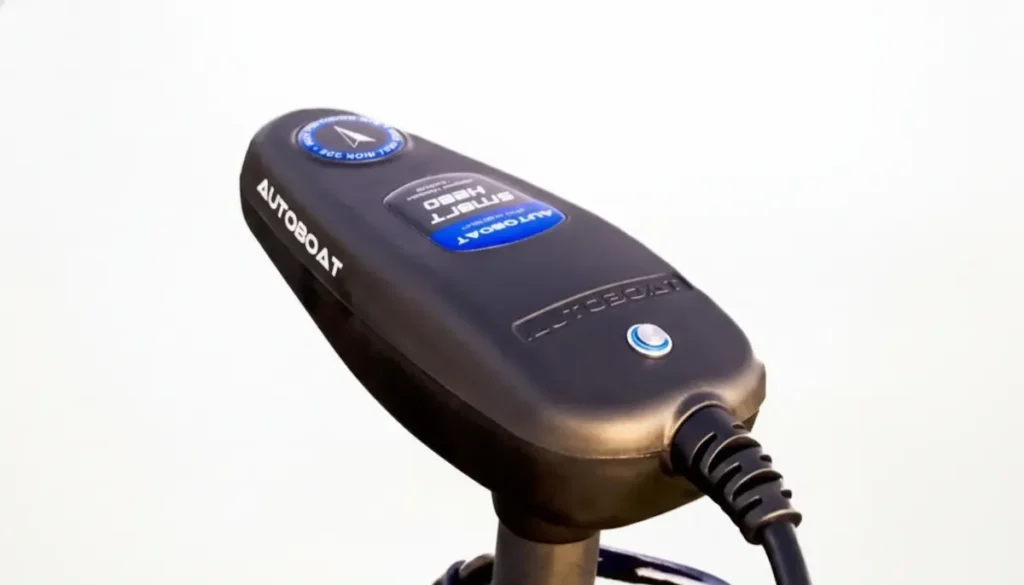
The AutoBoat GPS Trolling Motor brings autopilot and a simple interface to the kayak market. Its battery life and build quality make it a solid choice if you want advanced control without a steep learning curve. Use promo code KAYAKDIY to save big on your purchase.
This quick comparison highlights AutoBoat’s tech-forward approach, while other options trade features for lighter weight or lower cost. Match the model to how and where you fish.
What Kayak Anglers Say: User Feedback and Reviews
User reviews for the AutoBoat and similar units are mostly positive — anglers report easier station-keeping, fewer missed casts, and less fatigue. The common thread: stop fighting drift and you spend more of your trip fishing and less time fixing position.
How to Maximize Battery Life and Maintain Your GPS Trolling Motor
Simple, regular care keeps these systems reliable season after season. A few good habits go a long way toward longer battery life and trouble-free operation.
Best Practices for Battery Care in Kayak Motors
Follow these basic steps:
- Regular Charging: Top the battery off before each trip so you start with full capacity.
- Avoid Deep Discharges: Don’t run the battery completely flat — shallow discharge cycles extend its life.
- Store Properly: Keep batteries cool, dry, and off the ground during long-term storage.
Good battery habits mean fewer surprises on the water and longer overall battery life.
Routine Maintenance for Your GPS Trolling Motor
Inspect wiring and terminals for corrosion, rinse saltwater from exposed parts, and clear the prop and shaft of weeds or debris after each outing. Regular visual checks and keeping firmware current prevent small issues from becoming trip-enders.
How a GPS Trolling Motor Improves Your Kayak Fishing Experience
A GPS trolling motor changes how you fish from a kayak: it reduces fatigue, keeps you on productive spots, and expands what’s possible from a small boat.
Advantages of Autopilot and Smart Features
Autopilot lets the motor steer so you can focus on bait presentation or reading your fish finder. Smart features like route tracking, anchor mode, and waypoint recall make complex maneuvers simple and repeatable.
How GPS and Fish Finder Integration Helps You Catch More Fish
When your GPS and fish finder share data, you can mark structure and return to the exact contours that hold fish. The combination turns sonar returns into repeatable locations — a big advantage when you find fish and want to stay with them.
For more tips, reviews, and how-tos check the KayakDIY blog, where we publish field-tested advice and fresh gear updates for kayak anglers and DIYers.
Frequently Asked Questions
What is the average lifespan of a GPS trolling motor?
Lifespan depends on use and care. With regular maintenance and normal use, expect 5 to 10 years from a quality unit. Harsh conditions (saltwater, heavy use, poor storage) shorten that, while careful cleaning and proper storage help it last longer.
Can I use a GPS trolling motor in saltwater?
Yes — many models are rated for saltwater, but choose one with corrosion-resistant parts and rinse it after every trip. A freshwater rinse and periodic inspection of fasteners and connectors will keep a saltwater-rated motor working well.
How do I troubleshoot common issues with GPS trolling motors?
Start with the basics: check the battery charge, inspect fuses and cable connections, and look for corrosion. If the GPS signal seems weak, move to a spot with an open sky. For persistent motor or electronics problems, consult the manual or contact the manufacturer for model-specific support.
Are there any weight restrictions for kayaks using GPS trolling motors?
Yes. Always factor the combined weight of the motor, battery, and gear against your kayak’s maximum capacity. Overloading affects stability and performance, so follow the kayak maker’s specs and keep weight low and centered for the safest setup.
What are the benefits of integrating a GPS trolling motor with a fish finder?
Pairing GPS and sonar gives you location plus target data: GPS gets you back to productive spots and the fish finder shows what’s under the hull. Together they let you mark structure, return precisely, and focus casts on zones that actually hold fish.
How can I improve the performance of my GPS trolling motor?
Keep the unit clean, check connections regularly, and use the correct battery and mounting hardware. Learn the motor’s settings and modes so you use them efficiently, and avoid extreme conditions when possible. Small habits — firmware updates, rinsing after salt use, and keeping mounting hardware tight — add up to better performance on every trip.