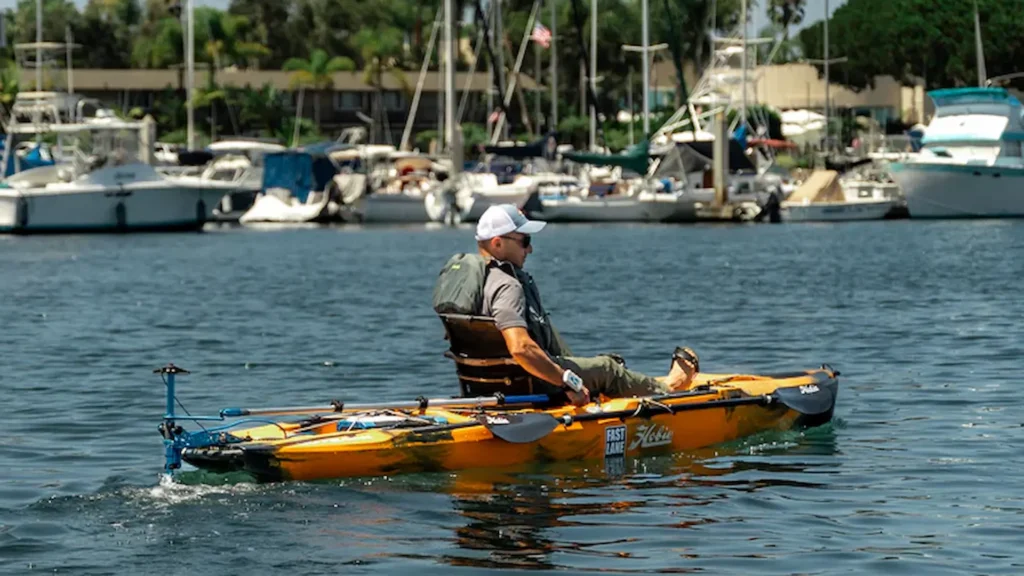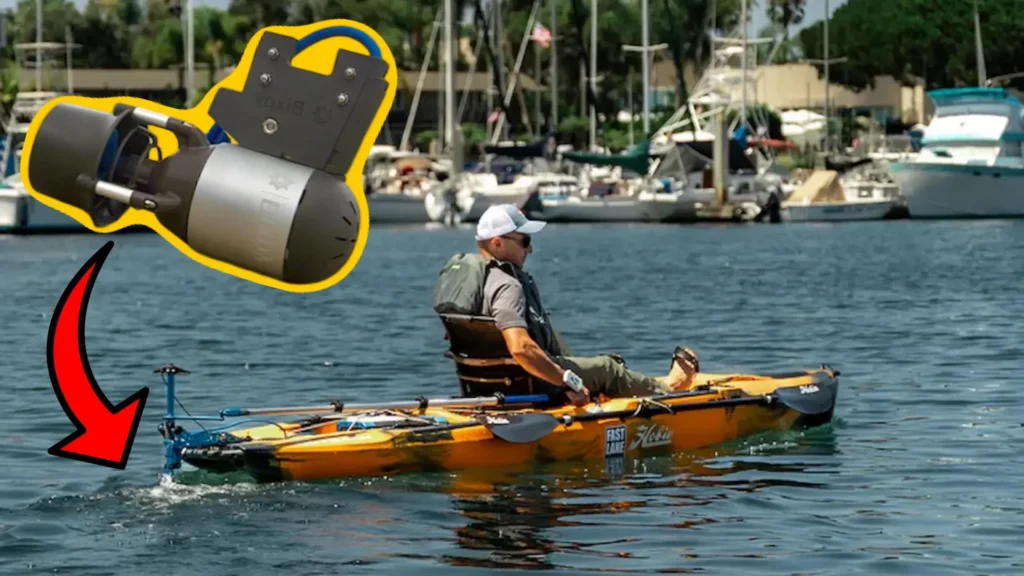
GPS trolling motors for kayaks have changed small-boat fishing for good. They give precise, hands-free positioning so you can spend more time casting and less time fighting wind, current, or paddling. This guide walks through the top GPS trolling motors for kayaks, explains the key features that matter, and shows how they can make your days on the water more productive. We also cover installation basics, battery options, and routine maintenance so your setup runs reliably season after season. By the end you’ll know which gear fits your kayak and how to get the best performance from it.
What Makes the Best GPS Trolling Motors for Kayak Anglers — and How They Improve Kayak Fishing
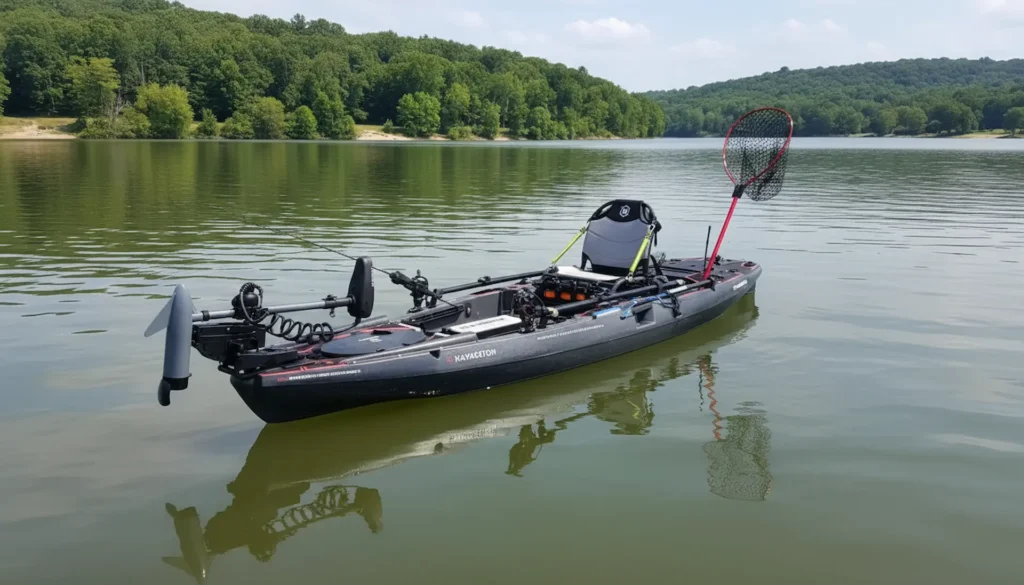
GPS trolling motors for kayaks are electric drive systems designed for small boats that include GPS-based control. Beyond simple forward thrust, they can hold a spot, follow a planned route, or return you to a saved waypoint. That precision makes it easier to work a productive seam, stay steady over structure, or repeat casts — all without constant paddling.
Understanding GPS Features — Waypoint Navigation and What It Means for Anglers
Waypoint navigation is one of the most valuable GPS features for anglers. Mark a productive hole, and the motor will drive you back or hold your position over it. That lets you repeat casts, work a piece of cover precisely, or keep station while you land a fish — even when wind or tide try to push you off spot.
Top GPS Trolling Motors for Kayak Anglers in 2026
In 2026, a handful of GPS trolling motors for kayaks stand out for performance, reliability, and user feedback. Below we highlight the top picks and what each does best so you can match a model to your kayak and how you fish.
AutoBoat GPS Trolling Motor: What It Offers and Why Anglers Like It
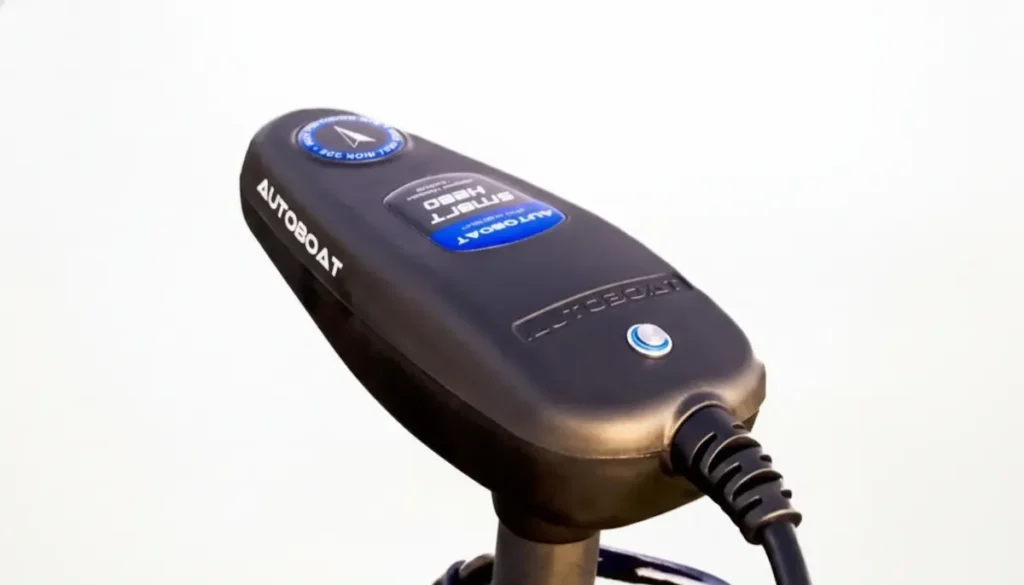
The AutoBoat GPS trolling motor is a go-to for anglers who want capable GPS features without a steep learning curve, if you want to buy use the code KAYAKDIY at checkout and save big. It delivers solid waypoint navigation and route-following, plus enough capacity for longer days on the water. Users often praise its straightforward install and steady performance — a sensible choice whether you’re motor-curious or upgrading an older setup.
How Minn Kota, MotorGuide, and Bixpy Compare
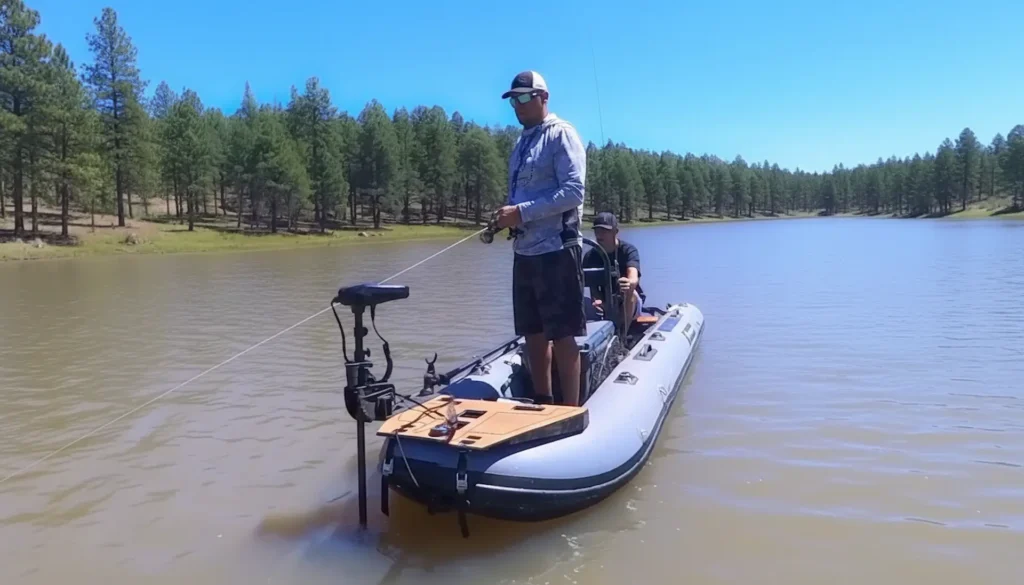
When comparing brands, focus on build quality, feature set, and weight. Minn Kota is known for rugged construction and full-featured GPS models like the Riptide line. MotorGuide competes on value and consistent performance, with GPS on select models. Bixpy makes very portable, lightweight drives, but as of 2026 it doesn’t offer a kayak-specific GPS trolling motor. Each company targets a slightly different user — pick the one that fits your priorities: durability, advanced features, or portability.
How to Install a GPS Trolling Motor on Your Kayak: A Step-by-Step Overview
Installing a GPS trolling motor on a kayak isn’t as daunting as it seems. With some prep and a few basic tools most paddlers can handle the job. Below are the essentials to make the install cleaner, faster, and safer.
Tools and Parts You’ll Need for a Kayak Motor Install
Before you start, gather a mounting bracket, the correct screws or bolts, a drill with the right bits, and a wrench set. You’ll also need the motor and its battery. Lay out parts and check fit before drilling to avoid mistakes and speed up the process.
Common Installation Issues and How to Fix Them
Two frequent problems are mount alignment and keeping the battery secure. Use a straightedge or temporary clamps to line up the mount, and use a battery box or strap to keep weight low and centered. If you’re unsure about hull strength or wiring, consult the motor manual or ask a builder — a small fix now prevents bigger headaches later.
Choosing Batteries and Managing Power for Kayak Trolling Motors
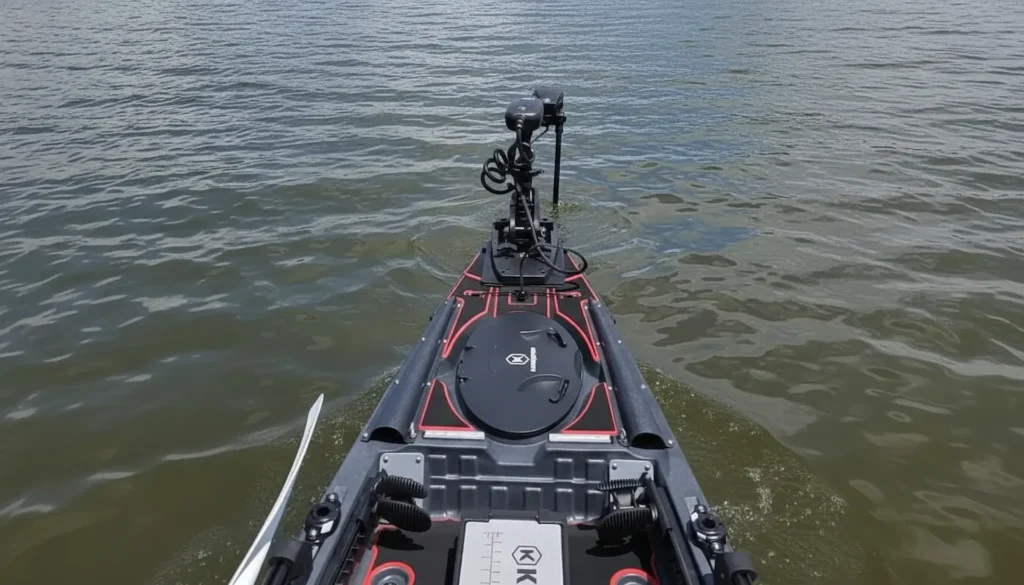
Picking the right battery is one of the most important choices for reliable motor performance. This section covers recommended battery types and practical power-management tips to stretch runtime and protect battery health.
Battery Types and Specs That Give the Best Performance
Deep-cycle lead batteries are the traditional choice for steady, long-running power. Lithium-ion packs are growing in popularity because they’re lighter and offer more usable energy for their weight. When choosing, match voltage and amp-hour (Ah) ratings to the motor’s requirements and the runtime you need on the water.
How to Extend Battery Life: Charging and Care Tips
To get the most from any battery: keep terminals clean, avoid letting batteries sit fully discharged, and follow the charger manufacturer’s instructions. Store batteries in a cool, dry place and top them up after long outings. Those simple habits add years to battery life.
Maintenance and Troubleshooting to Keep Your GPS Trolling Motor Reliable
Routine maintenance keeps your motor ready when you need it. Below are quick checks and troubleshooting steps to handle common problems before they grow.
Everyday Maintenance Tasks to Keep Your Motor Working
Look over the prop for nicks, inspect wiring and terminals, and rinse and dry the motor housing after salt or muddy-water trips. Lubricate pivots per the manual and retighten fasteners periodically. A few checks after each outing prevent most failures.
How to Troubleshoot Common GPS and Power Issues
If your motor loses power or GPS lock, start with the basics: verify battery charge and secure connections, then check that the mount is correct and the GPS antenna has an unobstructed view of the sky. If the issue persists, consult the manual or contact the manufacturer.
What Kayak Anglers Say About GPS Trolling Motors
Real angler feedback is one of the best ways to judge how these systems perform on the water. Below we summarize common user experiences and why GPS motors are becoming more popular.
Real User Testimonials and Success Stories from the KayakDIY Community
Kayak anglers routinely report that GPS trolling motors help them cover water more efficiently and get back to productive spots effortlessly. Many say they fish longer and catch more because they’re no longer constantly battling wind and tide. Those firsthand stories help you decide which features really matter for your fishing style.
How GPS Motors Make Fishing More Efficient and Enjoyable
GPS trolling motors change how you fish by removing much of the physical work and guesswork. They help you stay in the strike zone, repeat productive lines, and manage drift — which makes each trip more focused and productive. For serious anglers, that consistency often justifies the investment.
| Product | Feature | Benefit |
|---|---|---|
| AutoBoat GPS Trolling Motor | GPS Navigation | Hold position and follow routes so you can return to the best spots |
| Minn Kota | Robust Build | Heavy-duty construction built to last in tough conditions |
| MotorGuide | Competitive Pricing | Solid performance for the money — reliable value |
| Bixpy | Lightweight Design | Easier to carry and install when portability matters most |
More kayak anglers are adding GPS trolling motors because they simplify navigation and improve results on the water. With the right motor, a careful install, and routine upkeep, you’ll have more productive, more enjoyable days fishing.
Frequently Asked Questions
1. Can I use a GPS trolling motor on any kayak?
Many kayaks can accept a GPS trolling motor, but check your kayak’s weight capacity and mounting options first. Some kayaks are motor-ready; others need reinforcement or a special bracket. Always follow the manufacturer’s guidelines for a safe, secure install.
2. How do I choose the right GPS trolling motor for my needs?
Match the motor’s thrust, battery runtime, and GPS features to your kayak size and fishing style. Consider where you’ll fish — open water needs more thrust; calm bays and lakes allow lighter setups. Read reviews and compare specs to find the best fit.
3. What is the average lifespan of a GPS trolling motor?
Lifespan depends on use and care, but a well-maintained motor can last 5–10 years. Regular maintenance, proper battery care, and avoiding extreme conditions will extend its service life.
4. Are there any safety precautions I should take when using a GPS trolling motor?
Yes — always wear a PFD, carry required safety gear (whistle, light), and follow local boating rules. Watch weather and other traffic, and make sure your battery and wiring are secured to prevent hazards.
5. How can I improve the battery life of my GPS trolling motor?
Use a deep-cycle or appropriately sized lithium pack, keep terminals clean, avoid full discharges, and charge after outings. Efficient routing and running lower speeds when possible will also extend runtime.
6. What are the benefits of using a lithium-ion battery for my trolling motor?
Lithium batteries are lighter, charge faster, and deliver more usable power for their weight than traditional lead-acid batteries. They cost more up front but can be worth it if you want longer range and less weight.
7. Can I install a GPS trolling motor myself, or should I hire a professional?
Many paddlers install motors themselves with the right tools and patience. If you’re comfortable drilling and basic wiring, you can likely do it. If you’re unsure about mounting points, hull strength, or electrical work, hiring a pro is a smart choice.