Affiliate Disclosure: KayakDIY may earn a commission from qualifying purchases made through links in this article, at no extra cost to you.
GPS trolling motors for kayaks have changed how kayak anglers cover water and stay on the bite. In this guide we walk through the best GPS-equipped trolling motors for kayaks in 2024, what each one does well, and how to install and maintain them. If paddling limits your range or tires you out, a GPS motor helps you spend more time fishing and less time fighting wind and current. Below we explain the benefits, highlight standout models, show a simple installation checklist, cover battery basics, and list easy maintenance tips to keep you on the water longer.
What Are GPS Trolling Motors for Kayaks and How Do They Enhance Kayak Fishing?
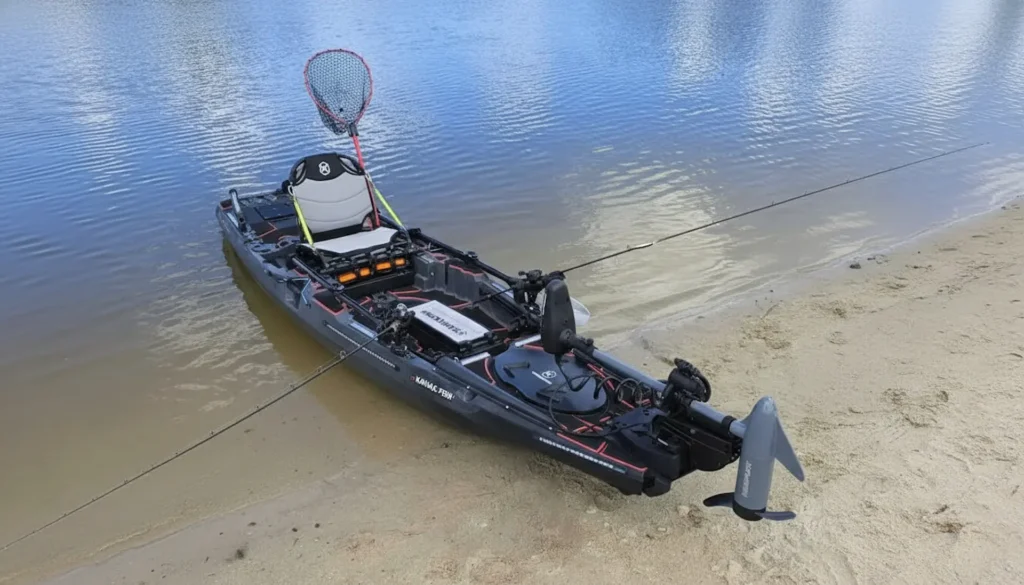
GPS trolling motors for kayaks are compact electric drives made for small boats and kayaks that pair thrust with GPS-based control. They can hold your position, follow a route, or return to a saved waypoint — all without constant paddling. For kayak anglers that means steadier presentations, easier station-keeping, and more precise navigation to the spots you want to fish.
How Does GPS Technology Improve Kayak Motor Navigation?
Adding GPS gives the motor live position data so you can set waypoints, run a path, or lock onto a drift line while the motor does the steering. That accuracy gets you to fishable water faster and helps keep you where the fish are. Most current units use intuitive touchscreens or phone apps, so routing and autopilot features are simple to learn even if you’re new to electronics.
Research also points to kayak-focused GPS solutions that maintain reliable tracking when signals falter.
Kayak GPS Navigation & Tracking Solutions
This study examines kayak movement and recommends GPS/INS constraints tuned to paddling, improving continuous tracking — especially during brief GPS outages.
Kayak-specific Motion Constraints for an Improved Android Smartphone GPS/INS Navigation Solution, 2022
What Benefits Do Electric Trolling Motors Offer for Kayaks?
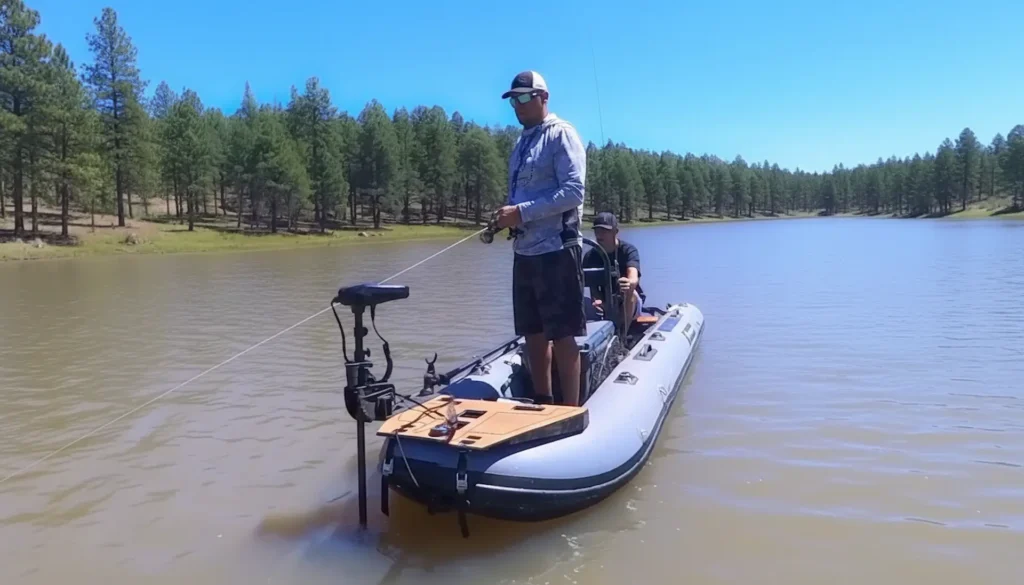
Electric trolling motors give kayak anglers a few clear advantages. They run quietly and cleanly, so you won’t scare fish with exhaust or loud noise. They’re lower maintenance than gas engines and, with the right battery, deliver long, dependable run times. Most importantly, they let you focus on fishing — making setup, drift control, and positioning easier and more consistent.
Which Are the Best GPS Trolling Motors for Kayaks in 2024?
In 2024 several GPS trolling motors for kayaks stand out for their features, build quality, and user-friendly software. When you shop, consider thrust, battery life, and whether the unit supports autopilot, spot-lock, or wireless control. Here’s a quick look at notable models this year.
| Product | Feature | Value |
|---|---|---|
| AutoBoat GPS Trolling Motor | Thrust Power | 55 lbs |
| Minn Kota Ulterra | Auto Stow/Deploy | Yes |
| MotorGuide Xi5 | Wireless Control | Yes |
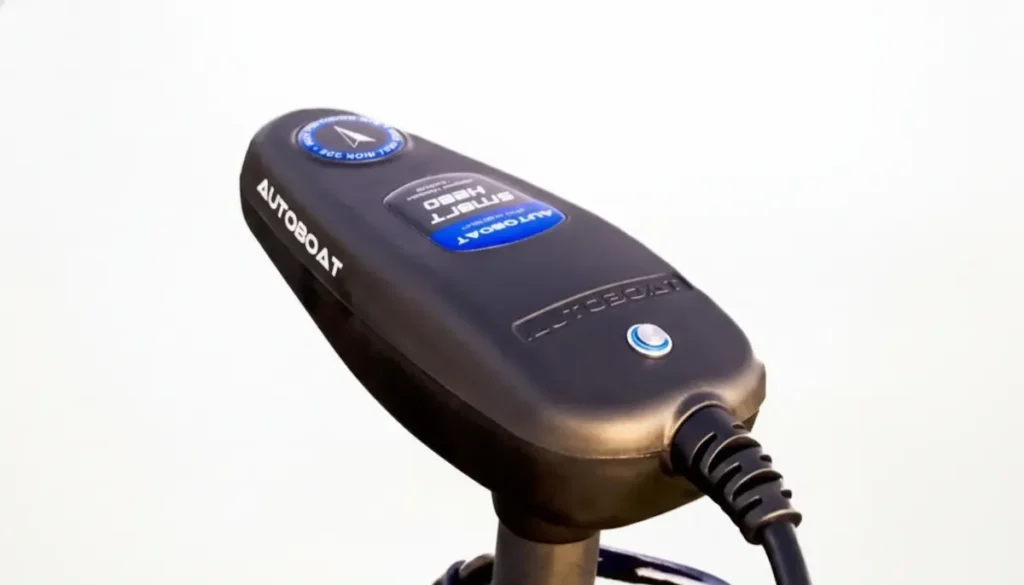
The AutoBoat GPS Trolling Motor stands out for its 55 lbs of thrust — useful for heavier kayaks or windy conditions. Minn Kota’s Ulterra shines for true auto stow/deploy convenience, and the MotorGuide Xi5 gives you flexible wireless control so you can operate the motor from anywhere in the cockpit.
On a tighter budget, the Edge K4 Smart Motor is worth a look — a fin-style electric drive around $500 with wireless remote steering included, which I tested on the water at 8.1 km/h. It is a simpler system than the GPS motors above, but the price is hard to beat for adding electric power to a kayak or paddleboard.
How Does the AutoBoat GPS Trolling Motor Compare to Minn Kota and MotorGuide?
Comparing the AutoBoat GPS Trolling Motor with Minn Kota and MotorGuide comes down to what matters most to you. AutoBoat wins on raw thrust for heavier setups and rough water. The Minn Kota Ulterra prioritizes hands-free convenience at launch and retrieval. MotorGuide’s Xi5 focuses on wireless flexibility and easy control while you fish. Choose the model that fits your kayak size, typical conditions, and how much automation you want.
What Are Key Features and Performance Specs to Consider for GPS Trolling Motors for Kayaks?
When picking a GPS trolling motor for kayaks, pay attention to these specs:
- Thrust Power: How well the motor moves and holds your kayak against wind or current.
- Battery Life: How long the motor will run at usable speeds between charges.
- Control Options: Wireless remotes, phone apps, autopilot and spot-lock that make fishing easier.
- Durability: Corrosion-resistant components and overall build quality for long-term use.
Those factors directly affect on-water performance and how much time you spend catching fish instead of managing gear.
How to Install a GPS Trolling Motor on Your Kayak: Step-by-Step Guide for GPS Trolling Motors for Kayaks
Installing a GPS trolling motor on a kayak is a straightforward project with the right tools and careful measuring. The checklist below walks you through a typical installation.
What Tools and Materials Are Needed for Installation of GPS Trolling Motors for Kayaks?
Before you begin, make sure you have:
- Drill: For mounting holes.
- Screwdriver: To secure the mount and fasteners.
- Wrench: For tightening bolts and brackets.
- Marine Sealant: To seal screw holes and prevent leaks.
- Battery: A compatible battery sized for your motor and trip length.
Having the right tools makes the install smoother and helps you avoid mistakes.
What Are Common Installation Challenges and How to Overcome Them with GPS Trolling Motors for Kayaks?
The usual trouble spots are mount alignment and getting a watertight seal. Measure twice, mark once, and dry-fit the mount before drilling. Use ample marine sealant around fasteners and follow the motor maker’s mounting template and torque specs. If you’re unsure about your hull or the motor model, consult the manual or a local outfitter for hull-specific tips.
What Are the Best Battery and Power Management Practices for GPS Trolling Motors for Kayaks?
Good battery care is the foundation of reliable motor performance. Know your battery options and how to get the most runtime from each charge.
Which Battery Types Are Ideal for GPS Trolling Motors for Kayaks?
Lead-acid and lithium-ion are the two common choices. Lead-acid is less expensive but heavier and has shorter life. Lithium-ion costs more up front but weighs less, lasts longer, and provides more usable capacity — a popular choice for anglers who want longer trips and easier handling.
How to Maximize Battery Life During Kayak Fishing Trips with GPS Trolling Motors for Kayaks?
Simple habits extend battery life:
- Use Efficient Speed Settings: Run at moderate speeds rather than full throttle when possible.
- Plan Your Route: Minimize unnecessary running and position yourself to reduce motor time.
- Regular Maintenance: Keep terminals clean, tight, and free of corrosion.
Those steps help you squeeze more hours from each charge and avoid mid-trip surprises.
How to Maintain and Troubleshoot Your GPS Trolling Motor for Kayaks for Longevity?
Routine care and quick troubleshooting keep your motor dependable year after year. The checklist below covers basic upkeep and common fixes.
What Regular Maintenance Steps Keep Your GPS Trolling Motors for Kayaks Running Smoothly?
Adopt these simple habits:
- Clean the Motor: Rinse with fresh water after every use to remove salt and grit.
- Inspect Connections: Check electrical connections and terminals for corrosion or looseness.
- Lubricate Moving Parts: Lube pivot points and controls according to the manufacturer’s recommendations.
Quick checks after each outing help prevent bigger problems later.
How to Diagnose and Fix Common Motor Issues with GPS Trolling Motors for Kayaks?
If the motor loses power or won’t respond, start with the battery: verify charge level and secure connections. Inspect wiring and fuses for damage. If the motor still fails, follow the troubleshooting steps in the user manual or contact the manufacturer’s support — many issues are simple fixes once you pinpoint the cause.
What Advanced GPS Features Should Kayak Anglers Know About for GPS Trolling Motors for Kayaks?
GPS trolling motors keep getting smarter. Knowing advanced features helps you choose tech that actually improves your time on the water.
How Does AI-Assisted Navigation Enhance Kayak Motor Control with GPS Trolling Motors for Kayaks?
AI-assisted navigation improves route planning and obstacle awareness by analyzing sensor inputs and making small steering corrections automatically. That lets you focus on fishing while the system handles precise course adjustments — especially handy when conditions change or you’re tracking moving targets.
What Are the Latest Trends in GPS Accuracy and Motor Integration for GPS Trolling Motors for Kayaks?
Recent trends include higher-precision GPS modules and tighter integration with phones, fishfinders, and mapping apps. That means you can sync waypoints, view sonar and motor position together, and use familiar interfaces to control autopilot or spot-lock. The result: faster, smarter trips and clearer fishing decisions.
For more tips, how-tos, and gear reviews, check out our blog.
Save Big on AutoBoat GPS Trolling Motors
Ready to upgrade your kayak with a powerful GPS trolling motor? Purchase the AutoBoat GPS Trolling Motor at TBNation and use the code KAYAKDIY at checkout to save big on your order.
Frequently Asked Questions About GPS Trolling Motors for Kayaks
What is the average lifespan of a GPS trolling motor for kayaks?
It depends on usage, care, and build quality, but a well-maintained GPS trolling motor typically lasts 5–10 years. Saltwater exposure, rough handling, or poor storage can shorten that. Regular cleaning, tight electrical connections, and proper off-season storage help extend a unit’s life.
Can I use a GPS trolling motor in saltwater?
Yes — many models are saltwater-rated. Look for corrosion-resistant components and follow the manufacturer’s care instructions. After saltwater use, rinse the motor thoroughly with fresh water to remove salt and slow corrosion.
How do I choose the right thrust power for my kayak with GPS trolling motors for kayaks?
Match thrust to total loaded weight and typical conditions. A common rule of thumb is about 2 pounds of thrust per 100 pounds of total weight (kayak + gear + angler). So a 400-pound setup would work well with roughly 80 lbs of thrust. If you fish in windy or choppy water, choose extra thrust for better control.
What are the best practices for storing a GPS trolling motor for kayaks?
Store the motor in a cool, dry spot and remove it from the kayak if you can. Keep the battery stored separately at the manufacturer-recommended charge level. Avoid extreme temperatures and direct sunlight, and check the motor periodically for corrosion or wear while it’s in storage.
Are there any safety tips for using GPS trolling motors on kayaks?
Always wear a personal flotation device (PFD). Practice with the motor controls in calm water before taking them into rough conditions. Stay aware of other boats and obstacles, keep a safe distance from hazards, and carry basic safety gear like a whistle and first-aid kit.
Can I upgrade my existing kayak with a GPS trolling motor?
Yes — many kayaks can be retrofitted with a motor mount if the hull and weight capacity allow. Check your kayak’s specifications and the motor’s mounting requirements before buying. If you’re unsure, ask a pro or an experienced kayaker to confirm compatibility and offer installation tips.