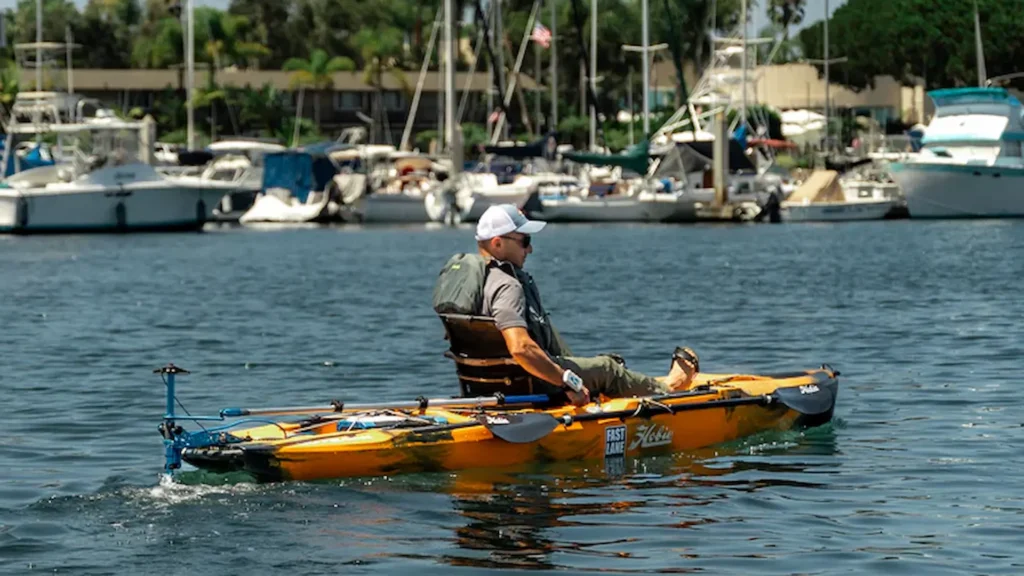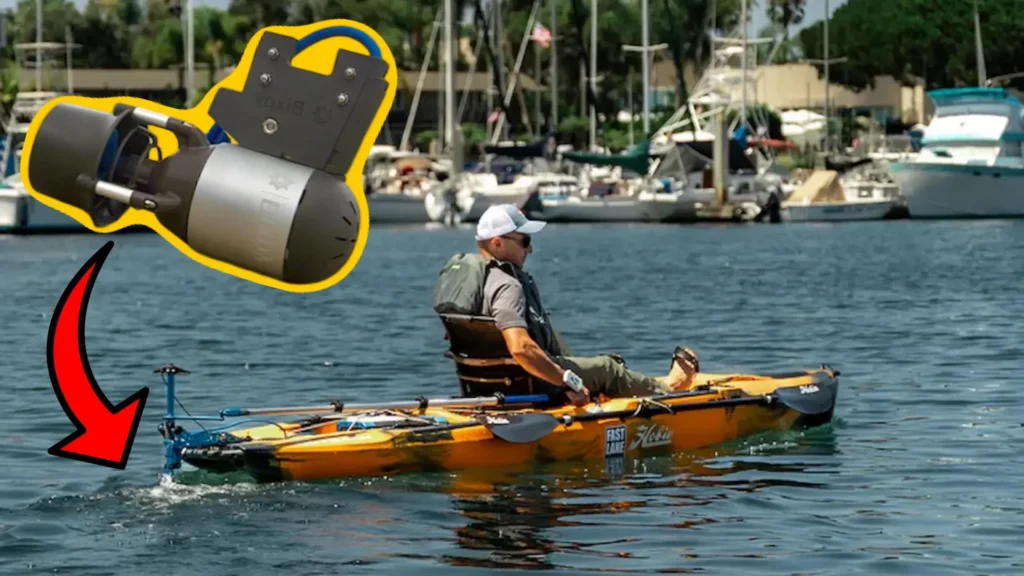
If you fish from a kayak, adding a GPS trolling motor is one of the quickest upgrades you can make. It pairs quiet electric thrust with GPS control so you save energy, stay on productive water, and spend more time fishing. Below we explain what GPS motors do, highlight models worth considering, walk through mounting and battery basics, and share what real kayak anglers report. Read on for practical, no-nonsense advice you can use on your next trip.
Top GPS Trolling Motors for Kayak Fishing
Choosing the right GPS trolling motor changes how you fish. The best units balance accurate GPS functions, reliable power, and a size that fits a kayak hull. Here are solid options to consider:
| Model | Features | Price |
|---|---|---|
| AutoBoat Smart Head GPS Upgrade | Converts compatible basic trolling motors to GPS-enabled with spot-lock, route tracking, and electronic steering | Varies |
| AutoBoat Complete GPS Trolling Motor Systems | Quiet propulsion, Anchor Mode, North Heading Lock, app and remote control, marine-grade, IP67 waterproof | Mid-range |
| Minn Kota Trolling Motors | Advanced navigation, rugged construction | Premium |
| MotorGuide Trolling Motors | Simple interface, good battery efficiency | Moderate |
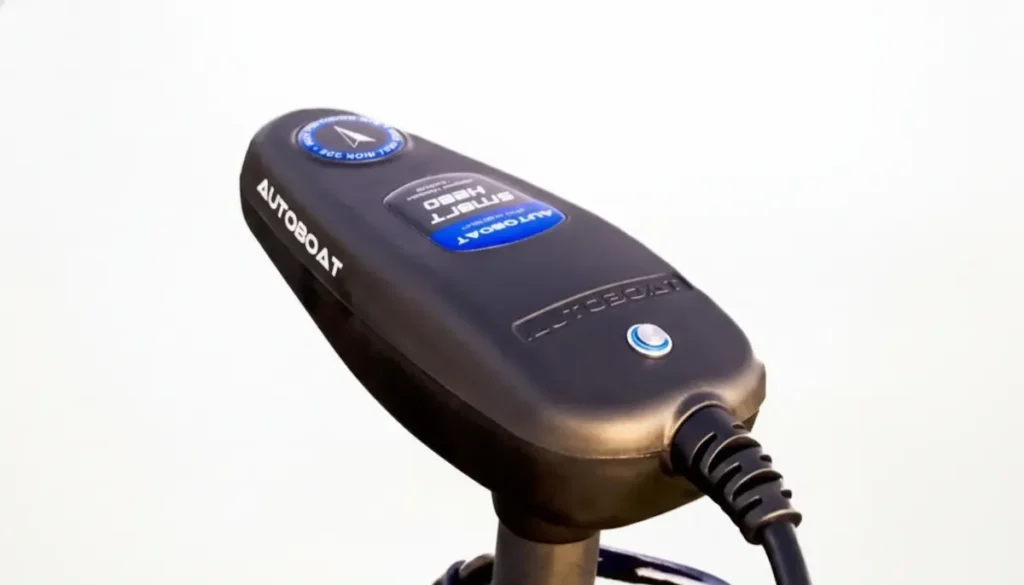
Each model brings different strengths—price, durability, or user-friendly controls—so pick the one that matches how and where you fish. The AutoBoat Smart Head stands out for anglers who want to upgrade an existing transom‑mount trolling motor (for example, some Minn Kota or Newport Vessels models) with full GPS features instead of buying a whole new unit. It adds GPS anchoring (spot‑lock), route tracking, and electronic steering, all controllable by remote or mobile app. For a limited time, use code KAYAKDIY to save on the AutoBoat GPS upgrade.
How GPS Features Improve Kayak Trolling Motor Performance
GPS-equipped motors give you tight position control. Drop a waypoint on a hot spot and come back to it reliably. Spot‑lock and route tracking reduce unwanted drift so you can stay over structure, bait, or a slick current seam. Bottom line: less time fighting wind or current, more time fishing.
Even field tests and research into kayak propulsion and autonomous tracking show the benefit of pairing compact drive systems with waypoint navigation for steady, responsive movement across varied water surfaces.
Kayak Trolling Motors: Propulsion & Autonomous Tracking
Researchers at the Department of Science Service (DSS) built a field robot using a modified single‑seat touring kayak driven by a pod propulsion system. The hull handled different water surfaces while the compact pod delivered nimble, responsive motion. Rather than a conventional rudder, the setup used a heading motor with the trolling motor for improved maneuvering and stall‑free tracking. The craft can operate under manual control or follow autonomous waypoints for path tracking.
Which Brands and Models Lead GPS Trolling Motor Tech?
A few names keep showing up in kayak setups. AutoBoat focuses on straightforward installs and strong GPS features—their Smart Head adapter is handy for upgrading existing motors. Minn Kota is known for rugged, long‑lasting units and dependable electronics. MotorGuide appeals to anglers who want simple controls and efficient battery use. When you compare models, pay attention to build quality, how the motor mounts to your hull, and the control style that fits your fishing routine.
How to Install a GPS Trolling Motor on Your Kayak: Step-By-Step
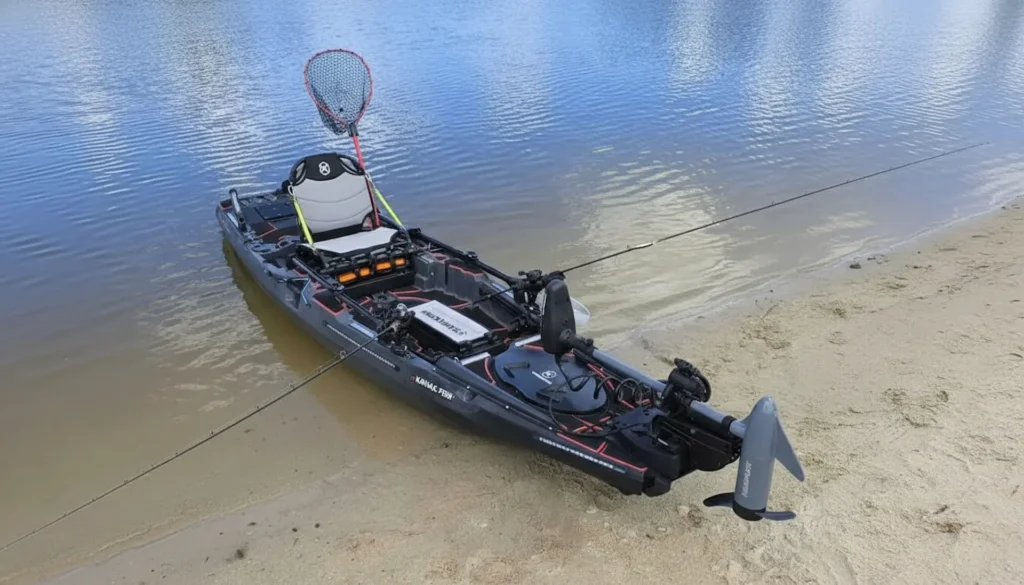
Mounting a GPS trolling motor on a kayak isn’t rocket science, but a careful install makes a big difference. Follow the manufacturer’s instructions, check clearances, and plan your wiring before you head out.
Tools and Materials You’ll Need
Gather these items before you start to keep the install tidy and trouble‑free:
- Tools: Drill, screwdriver, wrench, measuring tape.
- Materials: Mounting bracket, wiring harness, battery.
Having everything at hand reduces mistakes and helps you finish faster and cleaner.
How to Integrate the AutoBoat Smart Head GPS Trolling Motor Upgrade
The AutoBoat Smart Head is made to bolt onto compatible transom‑mount trolling motors—common on some Minn Kota and Newport Vessels models—turning them into GPS‑enabled units. Start by dry‑fitting the bracket and checking prop and shaft clearances so nothing rubs or binds.
Fasten the mount per the instructions, route wiring where it won’t chafe, and secure the battery in a low, stable spot. The Smart Head houses the GPS and AutoDrive coupling inside the head for a cleaner, more durable install.
Always test controls in calm water before fishing to confirm steering, speed ranges, and GPS functions perform as expected. The Smart Head supports spot‑lock, route tracking, and electronic steering, all controllable via remote or an Android/iOS app.
Battery Choices and Power Management for Kayak GPS Motors
Battery choice affects weight, runtime, and how your kayak tracks. Pick a battery that balances capacity with portability for the trips you run.
Which Battery Types Give the Best Life and Efficiency?
LiFePO4 (lithium iron phosphate) batteries are lighter and offer many more cycles, making them a top pick where weight matters. Sealed lead‑acid (SLA) options cost less up front but are heavier and wear out sooner. Match battery capacity to your motor’s draw and your typical outing length so you don’t run out of power mid‑trip. For example, a LiFePO4 “mini” battery is a popular balance of capacity and portability for trolling motors. You can find these and other options at WattCycle.
Save on Power: You can find high-quality LiFePO4 options at WattCycle
Use discount code KAYAKDIY at WattCycle to save on your next battery purchase.
Battery Maintenance and Troubleshooting Tips
Keep batteries reliable with simple care: keep terminals clean, check for loose or corroded connections, and monitor charge with a voltmeter or battery monitor. If power looks weak, test the battery under load and inspect wiring for voltage drop. Store batteries charged, dry, and at moderate temperatures to extend their life.
How GPS Trolling Motors Change the Way You Fish
GPS motors let you focus on catching fish instead of constantly managing position. That precision pays off around structure, weedlines, and deep‑water breaks.
Key GPS Features That Help Precision Fishing
Waypoint navigation, spot‑lock (hold position), and route tracking are the main tools. Drop a waypoint to mark a productive hole, use spot‑lock to stay on top of it, and run the same route to repeat a productive pass. Those features turn lucky grabs into repeatable sessions.
How GPS Motors Improve Maneuverability and Efficiency
Fine speed control and accurate heading adjustments make threading tight points and holding a feeding lane much easier. You’ll cover more water with less effort, conserve energy, and get more time with the rod in your hands.
What Anglers Say: Reviews and Real-World Experiences
Real user feedback is one of the best ways to judge day‑to‑day performance. Many paddlers report clearer focus on fishing and fewer battles with wind and current after adding a GPS motor.
What AutoBoat Users Commonly Report
Anglers who install the AutoBoat Smart Head often call out easy setup, dependable GPS hold, and faster hookups because they can stay on fishable structure without constant repositioning. Users praise the Smart Head for holding position effectively without dropping a traditional anchor.
How User Reviews Compare Different Models
Reviews usually highlight tradeoffs: Minn Kota owners praise build quality and longevity, AutoBoat users like the price‑to‑feature ratio and GPS tools, and MotorGuide fans point to straightforward controls and battery economy. Use reviews to see how a motor performs in conditions similar to your local water.
Maintenance and Troubleshooting for Long-Term Use
Regular checks keep your motor running season after season. A little routine care prevents most problems.
Routine Maintenance Steps
Inspect the motor for dings or loose hardware, clean the prop and shaft, and keep electrical connections tight and corrosion‑free. After saltwater trips, rinse with fresh water and dry before storing.
How to Spot and Fix Common Problems
If the motor loses power or won’t connect to GPS features, start by checking battery voltage and wiring. Inspect connectors, fuses, and mount points for damage or corrosion. If electronics act up, consult the manual or contact the manufacturer for firmware updates or diagnostics.
Stay up to date with new builds, tips, and product tests on our blog.
Frequently Asked Questions
Can I use a GPS trolling motor on any kayak?
Many kayaks can accept a GPS trolling motor, but compatibility varies. Check the kayak’s weight capacity, mounting options, and room for a battery. Some hulls are motor‑ready; others need a custom bracket or extra reinforcement. Always follow the kayak and motor manufacturers’ recommendations before modifying your boat.
What is the average lifespan of a GPS trolling motor?
Lifespan depends on usage, maintenance, and build quality. With regular care, a good trolling motor commonly lasts 5–15 years. Proper storage, corrosion prevention, and battery care all extend service life.
How do I choose the right size GPS trolling motor for my kayak?
Match thrust to total weight. A common rule of thumb is about 2 pounds of thrust for every 100 pounds of combined kayak, gear, and passenger weight. Also check shaft length so the prop stays submerged in normal riding position. When unsure, follow manufacturer recommendations for your kayak model.
Are there safety precautions I should take when using a GPS trolling motor?
Yes. Always wear a personal flotation device (PFD). Make sure the motor is securely mounted and electrical connections are sealed or waterproofed. Learn the motor’s controls in calm water before heading into rougher conditions, and follow local regulations for motorized kayaks.
Can I use my GPS trolling motor in saltwater?
Some motors are rated for saltwater—check the specifications. Salt increases corrosion risk, so rinse the motor with fresh water and dry it after every saltwater trip. Use saltwater‑safe hardware and inspect fittings regularly for corrosion.
What maintenance is required for a GPS trolling motor?
Routine maintenance includes checking for wear, cleaning the prop and shaft, tightening battery and motor connections, and storing the motor dry and protected. Periodic function tests and visual inspections catch issues early.
How do I improve the battery life of my GPS trolling motor?
Use a high‑quality battery sized for your motor, avoid unnecessary high speeds, and monitor charge with a battery meter. Keep connections clean, store batteries charged in a cool, dry place, and consider a small battery management system to protect and track battery health.