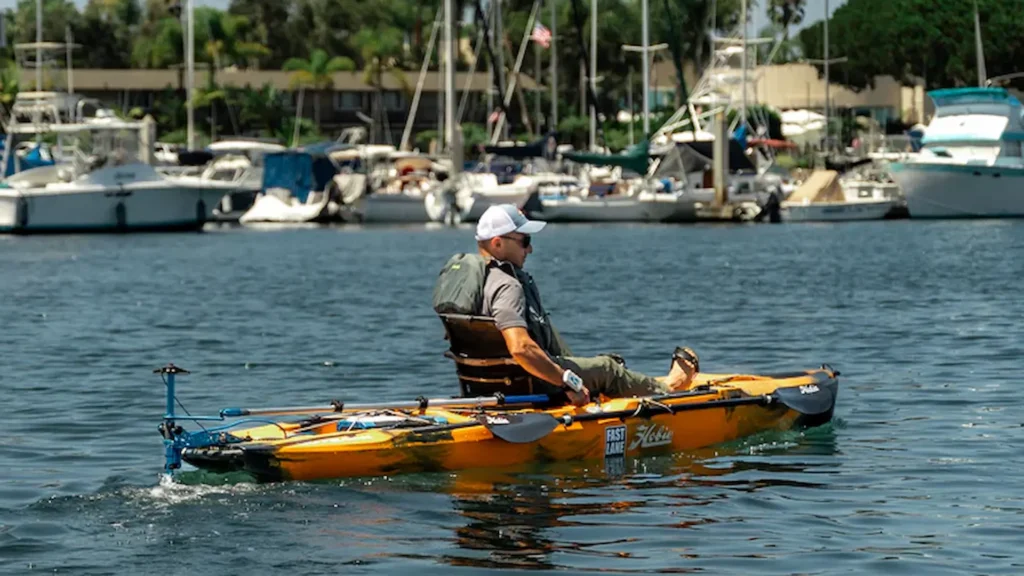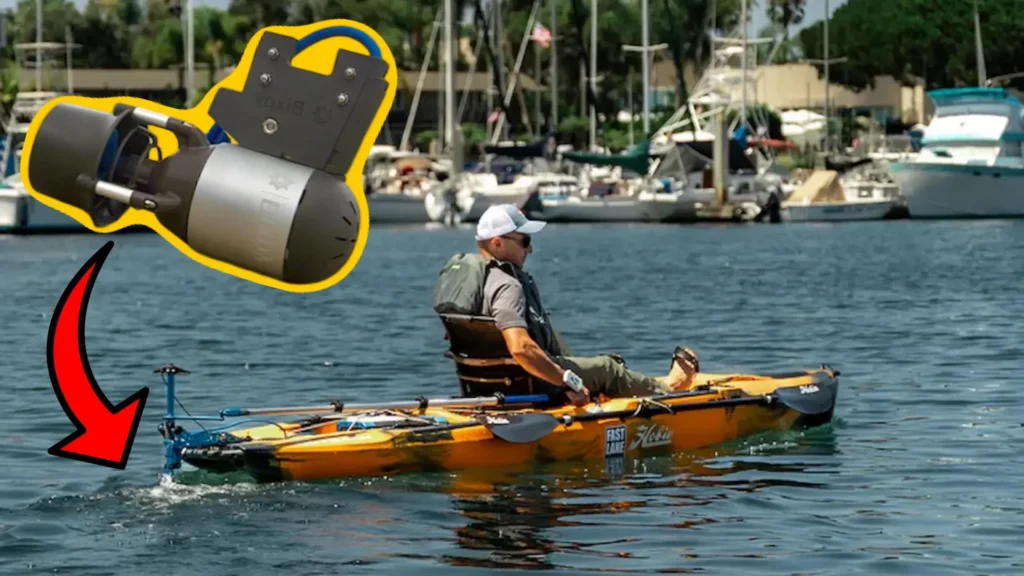

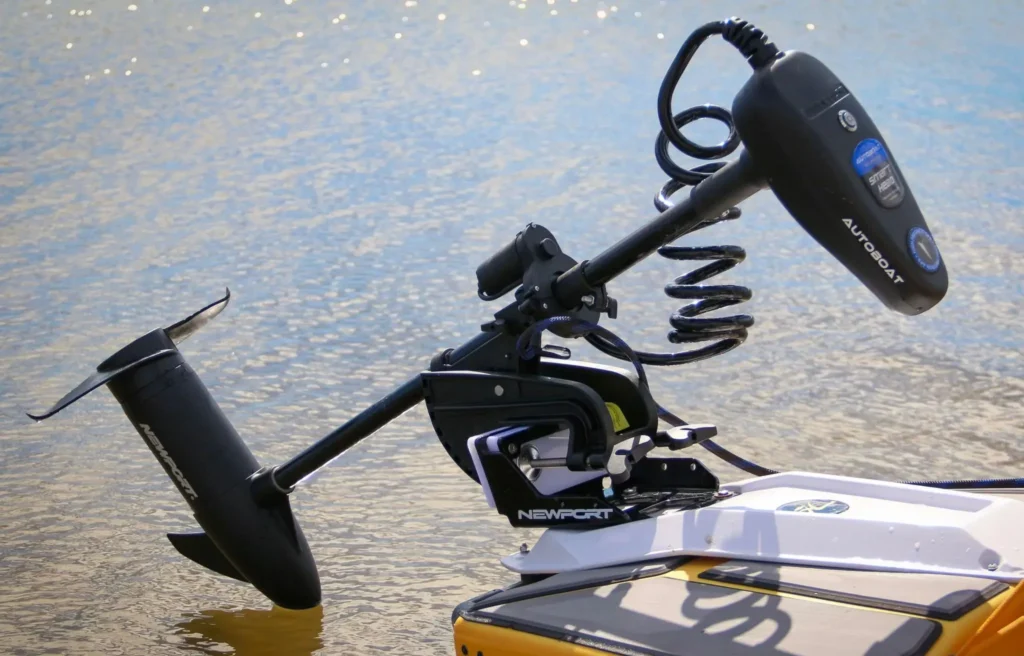
Adding a GPS-equipped trolling motor to your kayak makes fishing simpler and more enjoyable. The right unit holds you on a spot, brings you back to marked locations, and lets you cover water without wearing yourself out. This guide walks you through the features that actually matter, the best budget options as of 2026, and a straightforward installation checklist. If specs and model names have felt confusing, keep reading — we cut through the noise and show what matters on the water.
What to Look For in an Affordable GPS Trolling Motor
A good budget GPS trolling motor balances usefulness, durability, and easy controls. Focus on three core areas: navigation features, battery performance, and motor power. Those three determine how well the motor supports your trips without breaking the bank.
Which GPS Navigation Features Matter for Kayak Fishing?
Navigation is what makes a GPS trolling motor worth the extra cost. Practical features let you mark hot spots, follow routes, and hold position. On a kayak, prioritize motors that offer:
- Accurate positioning: Dependable GPS keeps you on target even in light chop.
- Simple controls: Menus and buttons you can use easily from your seat.
- App or device integration: Compatibility with fishing apps or chartplotters adds useful data without extra gadgets.
Those capabilities let you focus on fishing instead of ferrying the boat.
How Do Battery Life and Motor Power Change Performance?
Battery capacity and thrust determine how long and where you can fish comfortably. Think about your kayak’s weight, typical water conditions, and trip length when choosing:
- Battery type: Lithium and LiFePO4 batteries are lighter and give more usable hours per charge than lead‑acid options. For example, the batteries I use are high-quality LiFePO4 units from WattCycle, which deliver strong performance and long life. Use discount code KAYAKDIY at checkout to save.
- Thrust rating: Higher thrust handles heavier kayaks and choppier water with more confidence.
- Run-time at speed: Look at how many hours the motor runs at the speeds you’ll actually use, not just the lowest setting.
Match those specs to your boat, gear, and usual conditions for the best value.
How to Compare the Best Budget GPS Trolling Motors (Early 2024)
When you’re on a budget, reputation, price, and warranty matter most. Below are brands that commonly appear in affordable GPS trolling motor lineups and what makes each one worth considering.
Which Brands Stand Out for Value?
| Brand | Unique Selling Points |
|---|---|
| Minn Kota | Durable builds and user-friendly tech across many models |
| MotorGuide | Cost-effective choices with solid warranties and straightforward features |
| Newport Vessels | Budget-focused units that cover the essentials without extras |
Each brand has trade-offs — pick the one whose strengths match how and where you fish.
How Should Price and Warranty Influence Your Decision?
Price often reflects features and build quality, but you don’t always need the top-tier model. When comparing options, consider:
- Warranty length: A longer warranty signals confidence from the maker and reduces long-term risk.
- Side‑by‑side price checks: Compare similar feature sets across brands to spot real value.
- Overall value: Choose the model that gives you features you’ll actually use, not extras you won’t.
This approach helps you avoid paying for capabilities you won’t need.
Step‑by‑Step Installation Guide for Kayak GPS Trolling Motors
Installing a GPS trolling motor on a kayak is straightforward when you prepare and follow the steps. Below is a simple walkthrough to take you from box to water.
How to Install the AutoBoat GPS Trolling Motor
Installing the AutoBoat GPS trolling motor usually follows these steps:
- Prep: Gather tools — drill, screwdriver, mounting hardware, and sealant.
- Mount: Secure the motor to the transom or bow mount per the model’s instructions. Use the supplied brackets and check alignment before tightening.
- Wire: Connect the motor to the battery using marine‑grade connectors and waterproof any exposed terminals.
Do a shore‑side power check to confirm controls and GPS lock before you head out.
Note: GPS trolling motors are also used in research and unmanned platforms, where transom‑mount setups and similar installation techniques appear on more complex craft.
GPS Trolling Motors for Unmanned Catamarans
This 2006 study looked at using transom‑mount saltwater trolling motors on unmanned catamarans for pollutant tracking and surveying. It notes GPS fixes are usually available and discusses cost‑effective cooling ideas for autonomous vehicle drives.
Tools and Tips for a Smooth Installation
These tools and habits make installations easier and safer:
- Essential tools: Drill, screwdriver, wire cutters, and marine sealant.
- Helpful tips: Mock‑fit parts before final fastening, follow the manufacturer manual, and protect electrical connections from moisture.
- Common pitfalls: Don’t overtighten hardware — it can crack hull material — and double‑check battery polarity when wiring.
Take your time on the first installation — it pays off once you’re on the water.
Managing Battery and Power for Your GPS Trolling Motor
Good battery habits keep you out longer and avoid premature replacements. Below are practical maintenance and power‑use tips.
Best Practices for Battery Care and Charging
Keep batteries healthy by following a few simple routines:
- Charge after each trip: Topping up prevents sulfation and preserves capacity.
- Store properly: Keep batteries in a cool, dry place and disconnect them for long storage periods.
- Routine checks: Inspect terminals for corrosion and clean or tighten connections as needed.
Those small habits add years to battery life.
How to Stretch Power on Longer Trips
To get the most runtime from your battery:
- Use lower speeds: Cruise at efficient speeds and reserve high power for when you need it.
- Plan efficiently: Minimize unnecessary movement and use anchor or spot‑lock instead of fighting current when possible.
- Bring backups: A spare battery or portable charger is simple insurance for long days on the water.
Optimizing usage and carrying a backup keeps your day productive.
Research into electric propulsion for small craft also stresses matching motor and battery specs to craft size and stability for better efficiency.
Optimized Electric Propulsion for Small Crafts
A 2014 paper developed an algorithm to pick optimal motor and battery specs for small electric‑propulsion craft and to place components for a stable center‑of‑gravity. The study used differential evolution to validate designs and suggests the method can guide electric conversions and new designs.
Maintenance and Troubleshooting for GPS Trolling Motors
Regular upkeep prevents many common problems and keeps performance reliable. Use the checks below to catch issues early.
How to Spot and Fix Common Problems
Most faults trace back to power, wiring, or obstructions. Start with these checks:
- Check electrical connections: Look for loose or corroded terminals and clean or tighten them.
- Inspect the prop: Remove weeds, line, or damage that can reduce thrust.
- Test the battery: Verify voltage and charge; swap in a known‑good battery if needed.
If those steps don’t fix it, consult the manual or contact the manufacturer for guided troubleshooting.
When to Do Routine Maintenance
Keep a simple, regular schedule:
- Inspection frequency: Check the motor and electricals before and after every trip.
- Key tasks: Rinse salt with fresh water, clear debris, check for wear, and verify fasteners.
- Why it matters: Routine care prevents breakdowns and extends the unit’s usable life.
Quick, regular checks are all most users need to keep motors running well for years.
To learn more about who we are and why we write these guides, visit our About page.
For more tips, reviews, and how‑tos, check out our blog.
Watch and Learn: AutoBoat GPS Trolling Motor Videos
Find detailed video walkthroughs and tutorials for the AutoBoat GPS trolling motor on the Kayak DIY YouTube channel. The channel has hands‑on guides, installation tips, and real‑world footage to help you get the most from your motor.
Frequently Asked Questions
What is the average lifespan of a GPS trolling motor?
Expect a well‑maintained GPS trolling motor to last roughly 5–10 years. Actual lifespan depends on usage frequency, whether you run it in saltwater, and how well you care for the battery and electronics. Regular cleaning, proper storage, and following the manufacturer’s service tips make a big difference.
Can I use a GPS trolling motor in saltwater?
Yes — but only if the motor is rated for saltwater. Salt speeds up corrosion on gear not built for it. Look for saltwater models or corrosion‑resistant coatings, and always rinse the unit with fresh water after each use.
How do I choose the right thrust for my kayak’s GPS trolling motor?
Match thrust to the total weight you carry. A common rule of thumb is about 2 pounds of thrust for every 100 pounds of total weight. For a combined kayak, gear, and angler weight of 400 pounds, aim for around 40 pounds of thrust. Increase that for strong current or heavy gear.
What are the benefits of using a GPS trolling motor over a traditional motor?
GPS trolling motors give you position hold, route following, and waypoint recall — capabilities a simple electric or gas motor usually lacks. They’re quieter, more energy efficient, and let you return to exact spots easily, which is a big advantage for anglers.
How can I improve the battery life of my GPS trolling motor?
Charge fully after each outing, avoid deep discharges, and run at power‑saving speeds when possible. Carry a spare battery for long trips and keep terminals clean. Those steps help preserve capacity and extend runtime.
What should I do if my GPS trolling motor stops working?
Start with the battery: check voltage, charge, and connections. Then inspect wiring and terminals for corrosion or damage. Look at the prop for snags or damage. If those checks don’t fix it, follow the manufacturer’s troubleshooting guide or get professional help.