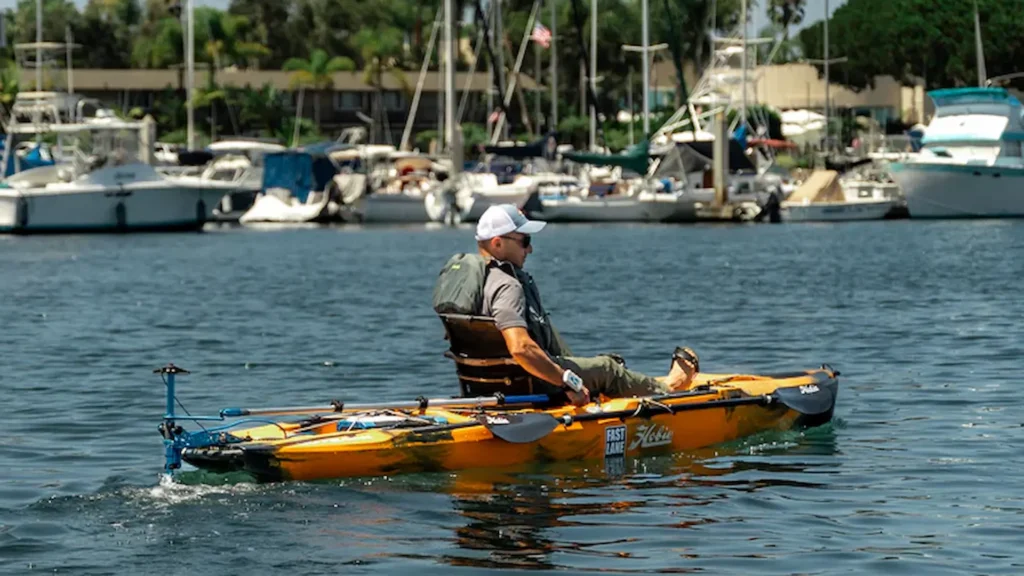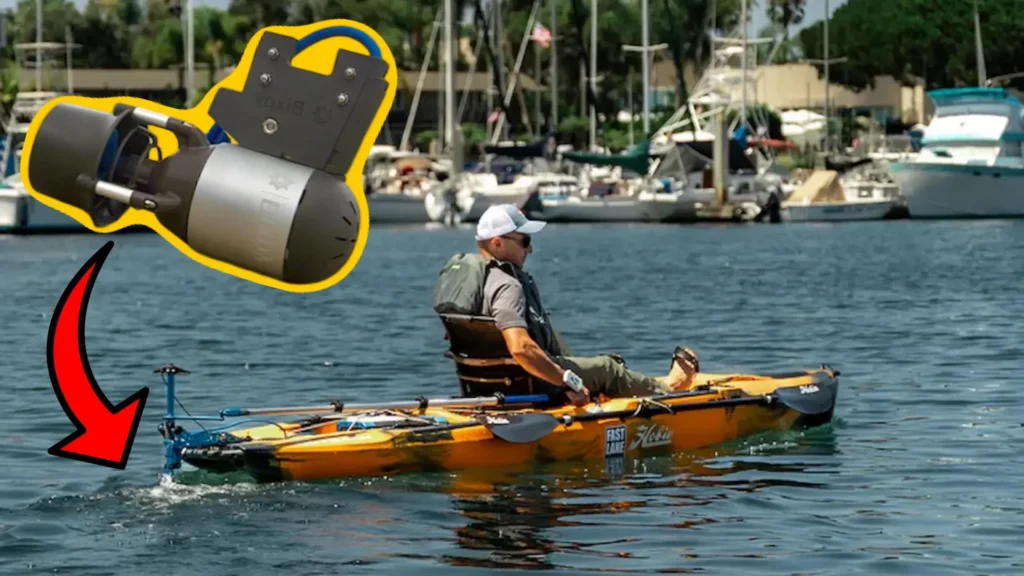
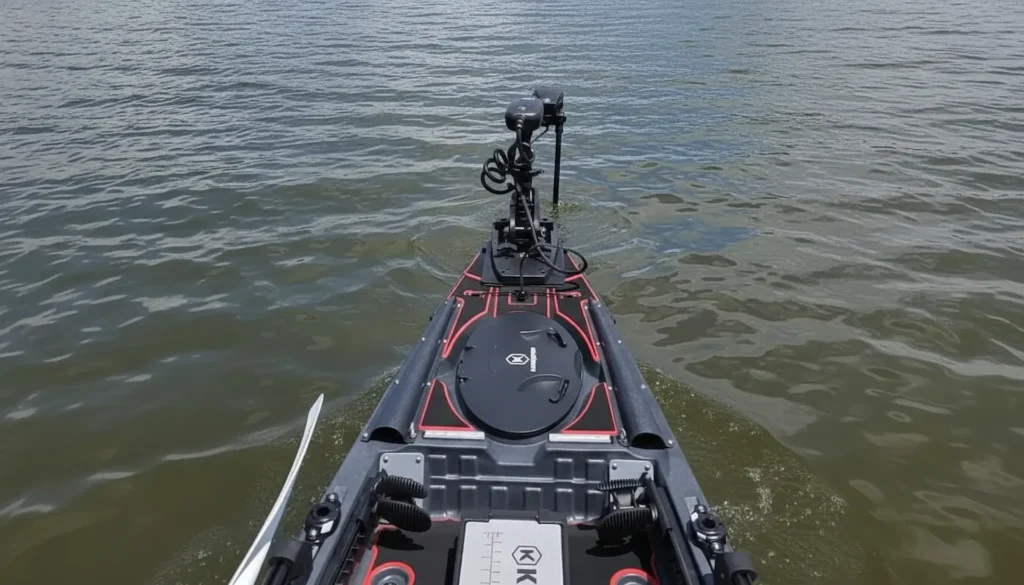
GPS trolling motors have changed how kayak anglers fish a spot. These electric drives pair satellite positioning with motor control so you can hold position, follow routes, and stay on productive water without nonstop paddling. Below we’ll walk through how they work, the real benefits for kayak fishing, top models to consider, and practical installation and maintenance tips so you can pick the right setup and get on the water with confidence.
What is a GPS trolling motor—and how does it work?
A GPS trolling motor is a compact electric thrust unit built for small boats and kayaks that uses satellite positioning to steer and hold position automatically. Its onboard computer reads GPS coordinates and nudges heading and power to keep your kayak on course or locked over a spot. That means less time fighting wind and current and more time fishing—you can focus on your lines instead of constantly repositioning the boat.
How GPS tech powers trolling motors
These motors pull location data from satellites and feed it into the motor’s control system, which then adjusts heading and thrust to follow a route, hold a waypoint, or lock over a honeyhole. Common features enabled by GPS include spot-lock (holds you in place), autopilot (follows a heading), and waypoint navigation (save and return to productive locations). For anglers putting in long days, those tools are genuine game changers.
Why GPS trolling motors help kayak anglers
GPS trolling motors offer three clear advantages for kayak fishing. First, control: you can hold position without constant paddling. Second, efficiency: you cover more water and waste less energy repositioning. Third, repeatability: saved routes and waypoints let you return to spots that work. Add quiet operation and route tracking, and you get more focused, repeatable fishing sessions with less effort.
Best GPS trolling motors for kayak fishing
A few GPS-capable models stand out for their feature sets, durability, and user satisfaction—each suits different kayaks and fishing styles. Below are top options to consider.
Top GPS trolling motor brands and how they compare
| Brand | Model | Key Features | Price |
|---|---|---|---|
| Minn Kota | Ultrex | Spot-lock, Auto-pilot, 112 lbs thrust | Premium price range |
| MotorGuide | Xi5 | Wireless control, GPS anchor, 55 lbs thrust | Mid-range price |
| Lowrance | Ghost | Silent operation, integrated GPS, 80 lbs thrust | Mid to high price range |
Each of these models delivers proven reliability and features that appeal to kayak anglers—choose the one that matches your kayak’s size, the water you fish, and your budget.
What anglers say: user reviews and ratings
On the water, anglers often praise the Minn Kota Ultrex for strong thrust and a dependable spot-lock that makes hands-free fishing straightforward. The MotorGuide Xi5 gets points for intuitive wireless controls and a compact install footprint. The Lowrance Ghost is regularly noted for near-silent operation and built-in GPS, which helps with stealthy presentations; some anglers point out its thrust is better suited to lighter rigs or calmer conditions. Across the board, performance, ease of use, and reliability drive buyer ratings.
How to install a GPS trolling motor on your kayak?
Mounting a GPS trolling motor to a kayak isn’t complicated, but planning and the right hardware make the job faster and more reliable. Below is a straightforward checklist plus links to a full upgrade guide.
Step-by-step: AutoBoat GPS Trolling Motor Upgrade
For a complete walkthrough on upgrading your kayak with a GPS trolling motor, see the “AutoBoat GPS Trolling Motor Upgrade”. You can also browse the AutoBoat GPS Trolling Motors collection and use promo code KAYAKDIY for a special discount.
- Gather Tools: Pack a drill, stainless fasteners, and the mounting bracket that fits your kayak and motor.
- Choose Location: Pick a mount point with clear access to the motor and controls that won’t interfere with casting or gear storage.
- Mount the Bracket: Fasten the bracket solidly to structural material—take your time so it won’t shift under load.
- Attach the Motor: Bolt the motor to the bracket per the manufacturer’s instructions and confirm the shaft and prop clear the hull properly.
- Connect Wiring: Wire the motor to a marine-grade battery using the correct gauge and connectors; tighten all terminals and protect them from spray.
With the right prep, many installations finish in under an hour; allow more time if you add a custom mount or run conduit for wiring.
Common installation tips and troubleshooting
- Check Compatibility: Verify the motor’s weight, thrust, and mount type match your kayak’s capacity and layout.
- Secure Connections: Use corrosion-resistant hardware and double-check electrical connections to prevent failures on the water.
- Test Before Use: Try the motor in calm water near shore to confirm controls, steering, and battery setup before a full trip.
Key features and price considerations for GPS trolling motors
Choosing the right motor comes down to the features you need, battery life, and the thrust required for your setup. Here’s what to weigh before you buy.
GPS features, battery life, and motor power — what to focus on
Keep these core areas in mind when comparing models:
- GPS Functionality: Spot-lock and waypoint navigation are must-haves if you want accurate, repeatable positioning.
- Battery Life: Check amp draw and typical runtime—higher-efficiency motors let you fish longer between charges.
- Motor Power: Thrust rating matters. More thrust helps with heavier loads, wind, and current.
Battery types and what they mean for you
Modern GPS trolling motors increasingly run on lithium batteries, including lithium iron phosphate (LiFePO4), which offer clear advantages over traditional lead-acid batteries. Lithium options are lighter, pack more energy for their weight, cycle longer, and charge faster. They also hold voltage better under load, giving steadier motor performance during a trip.
When choosing a battery, consider capacity (amp-hours), weight, and compatibility with your motor and charger. A good marine-rated lithium or LiFePO4 battery can noticeably extend your time on the water and reduce overall system weight.
For dependable lithium battery options, see WattCycle and use discount code KAYAKDIY on select models.
Price vs. value: comparing GPS trolling motors
| Model | Price Range | Value Assessment |
|---|---|---|
| Minn Kota Ultrex | Premium price range | High-end features that justify the cost for serious anglers |
| MotorGuide Xi5 | Mid-range price | Good balance of features and affordability |
| Lowrance Ghost | Mid to high price range | Premium features with competitive pricing |
Match the features you’ll actually use to the price—spending more only makes sense if you’ll rely on the advanced functions regularly.
How to maintain and manage battery life for GPS trolling motors
Battery care and routine motor checks pay off with more reliable trips and longer component life. Use these practical steps to keep things running smoothly.
Best practices for battery health and longevity
Simple habits extend battery life and prevent surprises on the water:
- Regular Charging: Top up your battery after each outing to avoid deep discharges that shorten lifespan.
- Use Quality Batteries: Choose marine-rated lithium or LiFePO4 batteries and, when possible, higher-capacity options for longer runtime.
- Monitor Voltage: Watch voltage and amp draw during trips so you don’t get stranded with a drained battery.
Troubleshooting common battery and motor issues
Most problems are straightforward to diagnose with a quick checklist:
- Motor Not Responding: Confirm the battery is charged, check the inline fuse, and verify solid wiring connections.
- Inconsistent Performance: Clean the prop and inspect for weeds or debris; also check prop shafts and mounting for play.
- Battery Draining Quickly: Test battery health and replace if it won’t hold charge; look for parasitic draws or higher-than-normal amp draw from the motor.
Follow these basic checks and you’ll avoid most common failures and keep trips running smoothly.
Frequently Asked Questions
1. Can I use a GPS trolling motor on any kayak?
Many kayaks can accept a GPS trolling motor, but you should check fit and capacity first. Consider your kayak’s weight limit, hull shape, and the intended mount location. Some installs require adapter plates or reinforcement. Always follow the motor maker’s recommendations and think about how added weight affects stability and load balance.
2. How do I choose the right thrust for my GPS trolling motor?
Thrust needs depend on total weight and conditions. A common guideline is about 2 lbs of thrust per 100 lbs of total weight — so a 400 lb setup calls for roughly 40 lbs of thrust. If you fish in windy or choppy water, choose a higher thrust rating to maintain control and responsiveness.
3. What maintenance is required for GPS trolling motors?
Keep the motor and battery in top shape by cleaning the prop and lower unit after each outing, inspecting electrical connections for corrosion, and charging the battery after use. Check mounting hardware periodically and follow the manufacturer’s service recommendations to avoid surprises on the water.
4. Are GPS trolling motors suitable for saltwater fishing?
Yes—but only use motors rated for saltwater. Saltwater models use corrosion-resistant materials and coatings. After each saltwater outing, rinse components with fresh water and dry them to limit salt build-up. Always confirm the manufacturer’s specs before using a freshwater-only motor in saltwater.
5. How does GPS technology improve fishing efficiency?
GPS lets you stay locked over a productive spot, mark and return to successful locations, and run precise routes so you can cover water methodically. That reduces time spent repositioning and increases the time you spend fishing—usually resulting in more bites and better trips.
6. What should I consider when installing a GPS trolling motor?
Plan around your kayak’s layout and weight distribution. Choose a mount spot that keeps controls accessible and doesn’t interfere with casting. Use marine-grade fasteners and wiring, secure all connections, and test the system in calm water before heading offshore or into rougher conditions.
7. Can I upgrade my existing trolling motor to GPS functionality?
Upgrades are possible in some cases. Some manufacturers offer retrofit kits that add GPS features to older models, but compatibility varies. Depending on cost and compatibility, buying a newer integrated GPS motor can be a simpler, more reliable option. Consult the motor manufacturer or a qualified installer to determine the best path.