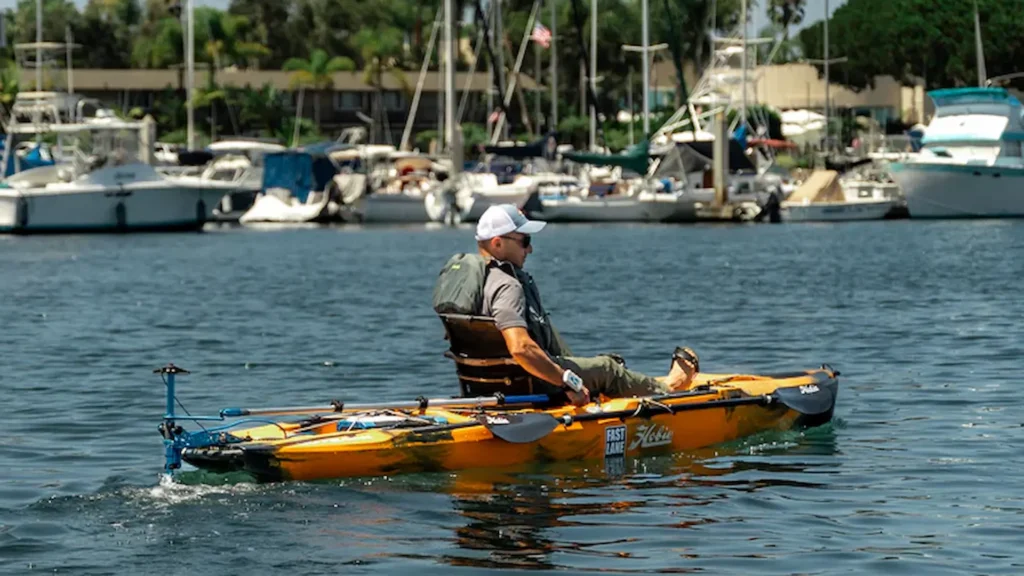
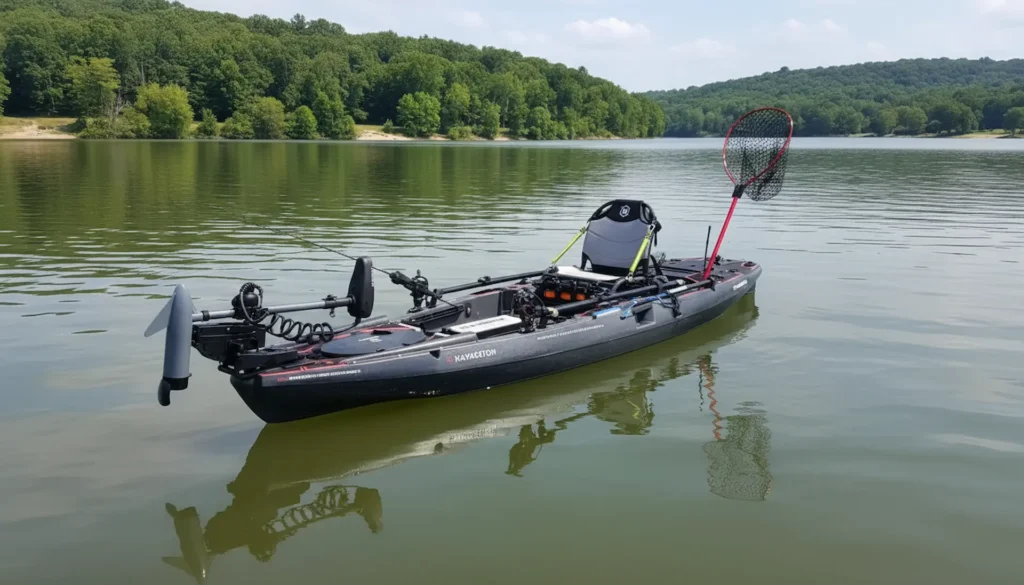
Kayaking mixes quiet exploration with hands‑on fun, and adding a trolling motor widens both. A motor gives you finer station-keeping, more range, and less fatigue so you can spend more time fishing and enjoying the water. Below we cover the real advantages of motorizing a kayak, highlight top electric trolling motor picks for 2026, walk through a straightforward installation, and explain battery and GPS upgrade choices. Read on and you’ll be able to decide whether a trolling motor is the right upgrade for your setup.
Benefits of Using a Trolling Motor on Your Kayak?
Fit a trolling motor and you’ll notice three big improvements: tighter control, better fishing position, and the ability to cover more water with less effort. Motors let you make small, precise moves in tight spots, hold steady over a productive patch, and cruise farther when scouting new areas.
In practice that means more casts, less paddling, and longer days on the water. Beyond pure performance, a motor reduces physical strain so multi-hour trips feel easier. If you like to tinker, KayakDIY’s how‑to guides walk through affordable, practical motorization options you can build and adapt yourself.
How Does a Trolling Motor Improve Kayak Maneuverability and Fishing Precision?
A trolling motor delivers steady, predictable thrust so you can move smoothly and hold position in wind or chop. Compared with paddling, you get much smaller, quieter adjustments — perfect when you need to sit over structure or follow a subtle current.
That repeatable control is what turns good fishing days into great ones. Fine speed and heading control also mean less water disturbance and more stealth. You can tweak your spot without making big wakes or spooking fish, which is especially useful for wary species or shallow-water work.
What Advantages Do Electric Propulsion Systems Offer for Kayak Fishing?
Electric motors are quiet, low‑maintenance, and cleaner for the environment than gas engines — all clear pluses for anglers. Their near‑silent operation helps you sneak up on fish, and they generally need less upkeep so you spend more time fishing and less time troubleshooting gear.
Electric systems are also straightforward to use: fewer moving parts, no fuel mixing, and simple battery charging. For many paddlers that mix of silence and simplicity is a big win.
Which Are the Best Electric Trolling Motors for Kayak Fishing in 2026?
| Model | Thrust | Battery Type | Price |
|---|---|---|---|
| AutoBoat GPS Trolling Motor | 55 lbs | Lithium | Around $600 |
| Minn Kota Endura C2 | 30 lbs | Lead-acid | Under $300 |
| Newport Vessels NV-Series | 36 lbs | Lithium | About $350 |
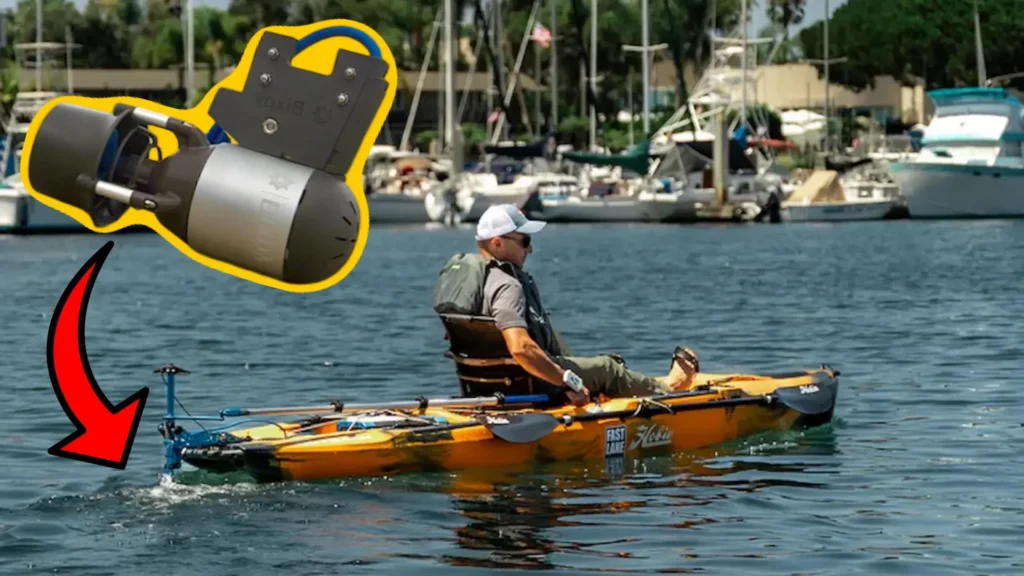
The AutoBoat GPS Trolling Motor stands out for its built‑in GPS, which helps with precise navigation and marking productive spots — handy if you want repeatable positioning without constant trimming or paddling.
Beyond navigation, the AutoBoat GPS system gives an integrated solution that raises your kayak‑fishing capabilities with smart control features. If you’re considering an upgrade, see the full AutoBoat lineup. Use code KAYAKDIY for a discount on AutoBoat systems to make this tech more affordable for your next trip.
How Do Portable Trolling Motors Compare for DIY Kayak Motorization?
Portable motors are a great fit for DIY conversions because they’re lightweight, compact, and usually easier to mount or remove. When comparing portable units, focus on thrust, battery hookup, and the mounting system — those three factors determine day‑to‑day usability.
- Ease of Installation: Choose mounts and hardware that adapt to your kayak’s shape so installation is secure and repeatable.
- Weight Considerations: Lighter motors are easier to transport and less likely to upset your kayak’s balance.
- Power Options: Verify battery compatibility — some motors favor lithium while others are built around lead‑acid or AGM units.
These points make portable motors a smart choice for DIYers who want flexibility without permanent modification.
What Features Should You Look for in Kayak Trolling Motor Reviews?
When you read reviews, focus on practical features that affect real‑world use:
- Power Rating: Match thrust to your kayak and load — most kayaks perform well with 30–55 lbs of thrust.
- Battery Life: Look at amperage draw and realistic run times so your outings match expectations.
- Control Options: Pick hand, tiller, or foot control based on how you fish and whether you need hands‑free operation.
Prioritizing these features helps you find a motor that fits your fishing style and kayak setup.
How to Install a Trolling Motor on Your Kayak: Step-by-Step Guide and Tips
Installations are usually straightforward if you plan ahead. Below is a simple, practical sequence that covers the essentials and avoids common mistakes.
What Are the Essential Installation Steps for the AutoBoat GPS Trolling Motor Upgrade?
- Gather Tools and Materials: Basic tools — drill, screws, the correct motor mount, and wiring tools — are all you need to start.
- Choose the Mounting Location: Pick a spot that won’t interfere with paddling or carrying and that keeps the motor shaft clear of the hull and accessories.
- Install the Motor Mount: Secure the mount solidly; use backing plates or adhesive where needed for extra holding strength.
- Connect the Wiring: Follow the manufacturer’s wiring diagram, seal all connections, and keep wires tidy and clipped away from snag points.
Follow those steps and you’ll have a reliable install that performs well and is easier to maintain.
How Can You Optimize Motor Mounting and Wiring for Best Performance?
Small details matter for performance and longevity.
- Mounting Angle: Set the motor so the propeller runs cleanly through the water — too steep or too shallow reduces efficiency.
- Wiring Management: Use waterproof connectors, heat‑shrink, and cable clips to keep everything dry and secure.
- Weight Distribution: Place batteries and gear to keep the kayak balanced fore and aft for stable handling.
These tweaks improve throttle response, lengthen component life, and keep your ride predictable.
What Are the Best Kayak Motor Battery Options and How to Manage Power Efficiently?
Picking the right battery is one of the most important decisions. The trade‑offs are weight, run time, and cost.
Which Battery Types Offer the Longest Run Time for Kayak Trolling Motors?
- Lithium Batteries: Lightweight with long run times and many charge cycles — ideal when weight and endurance matter most.
- Lead-Acid Batteries: Less expensive but heavier and shorter‑lived — a budget option for infrequent use.
- AGM Batteries: A middle ground with decent performance and simpler maintenance than flooded lead‑acid.
Choose based on how far you go, how often you fish, and how much weight you can comfortably carry.
For those looking for a high‑quality option, the 12V 100Ah Mini LiFePO4 (Lithium Iron Phosphate) battery is an excellent choice for trolling motors. It delivers strong run time and durability while keeping weight manageable.
You can find these batteries at WattCycle. Use code KAYAKDIY for a discount when purchasing through this link, which helps you get better value for your kayak motor setup.
How Can You Maintain and Optimize Battery Life for Electric Kayak Motors?
Good battery care extends useful life and avoids surprises on the water.
- Regular Charging: Recharge after every trip to prevent deep discharges that shorten battery life.
- Storage Conditions: Keep batteries cool and dry; extreme heat or cold accelerates wear.
- Periodic Checks: Inspect terminals, test voltage, and replace batteries showing significant capacity loss.
These habits keep your system reliable and ready for the next outing.
How Do GPS and Smart Motor Upgrades Enhance Kayak Fishing Experience?
Adding GPS and smart controls can turn simple motor assistance into a precision tool: hold a spot, map routes, and return to productive locations without guesswork.
What Are the Benefits of the AutoBoat GPS Trolling Motor Integration?
The AutoBoat GPS setup brings clear, practical advantages:
- Real-Time Navigation: See your position and mark spots so you can return reliably.
- Route Planning: Pre-plan runs and retrace them later to revisit hotspots.
- Fish Tracking: Some systems integrate with fish‑finder data to help pinpoint productive areas.
For anglers who value repeatability, GPS adds a definite edge.
How Does GPS Control Improve Navigation and Fishing Precision?
GPS gives accurate position holding and track‑keeping so you can maintain line over structure or follow a productive contour without constant correction. It also helps map underwater features you can use to focus your efforts.
Used well, GPS and smart control turn a motor from a convenience into a targeted fishing tool.
What Kayak Fishing Techniques Are Enhanced by Using a Trolling Motor?
A trolling motor suits many fishing styles, from slow, stealthy presentations to fast scouting across water.
How Does Motorized Propulsion Support Stealth and Positioning in Kayak Fishing?
Electric motors move quietly, which matters in shallow or pressured water. That low noise helps you get close to fish without spooking them and lets you position precisely for better presentations.
What Are Common Strategies for Using Trolling Motors in Different Fishing Environments?
- Freshwater Fishing: Use the motor to hold position near logs, weed edges, or drop‑offs where fish gather.
- Saltwater Fishing: Maintain station over reefs or flats to present baits effectively in current or wind.
- Open Water Fishing: Cover more acres to locate schools, then switch to a holding pattern once you find fish.
Frequently Asked Questions
What is the ideal thrust range for a trolling motor on a kayak?
Most kayaks do well with a trolling motor in the 30–55 lb thrust range. Smaller, lighter kayaks usually do fine at the lower end; heavier, fully loaded, or sit‑on‑top rigs benefit from more thrust. Match the motor to your kayak’s weight and typical conditions for the best result.
How can I ensure my trolling motor is compatible with my kayak?
Check your kayak’s length, weight capacity, and layout. Make sure the motor’s mount works with your hull and that added weight won’t compromise stability. Read manufacturer specs and user reports for similar kayak models to confirm fit and performance.
What maintenance is required for a trolling motor?
Keep electrical connections clean, inspect the prop for dings, and rinse components after saltwater use. Store the motor dry and check battery health regularly. Following the manufacturer’s maintenance schedule prevents most problems.
Can I use a trolling motor in saltwater conditions?
Yes — but use a motor rated for saltwater or one with corrosion‑resistant materials. Rinse thoroughly with fresh water after every saltwater trip and perform frequent inspections to avoid long‑term damage.
What safety precautions should I take when using a trolling motor?
Always wear a PFD and carry basic safety gear like a whistle and a small first‑aid kit. Be aware of local rules for motorized kayaks, watch for other boats, and secure batteries and wiring to prevent hazards on the water.
How does battery type affect the performance of a trolling motor?
Battery chemistry affects weight, runtime, cost, and lifespan. Lithium Iron Phosphate (LiFePO4) packs are light with long runtimes but cost more. Lead‑acid is cheaper and heavier. AGM sits in the middle. Choose based on how far you go, how often you use the motor, and how much weight you can handle.