
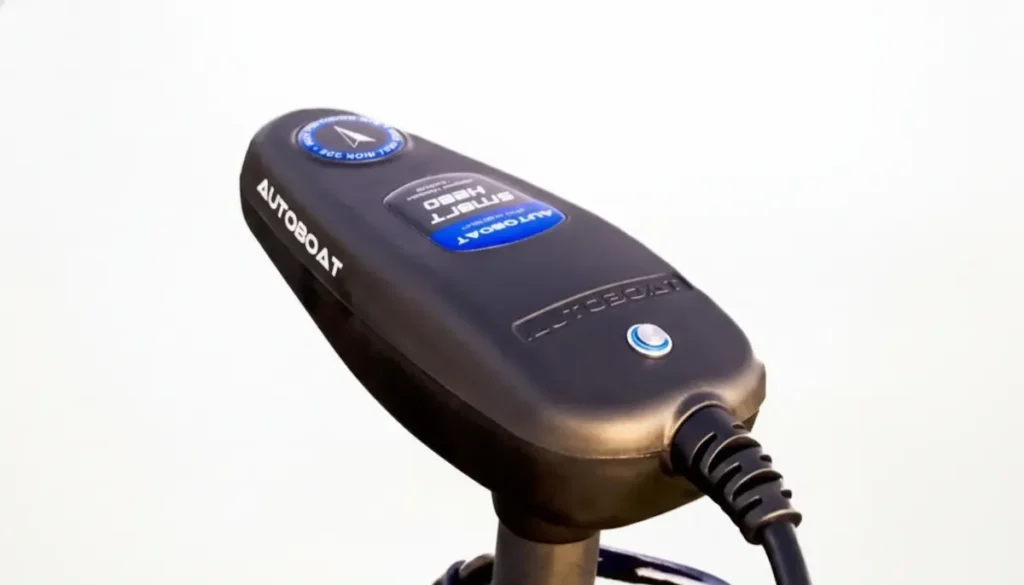
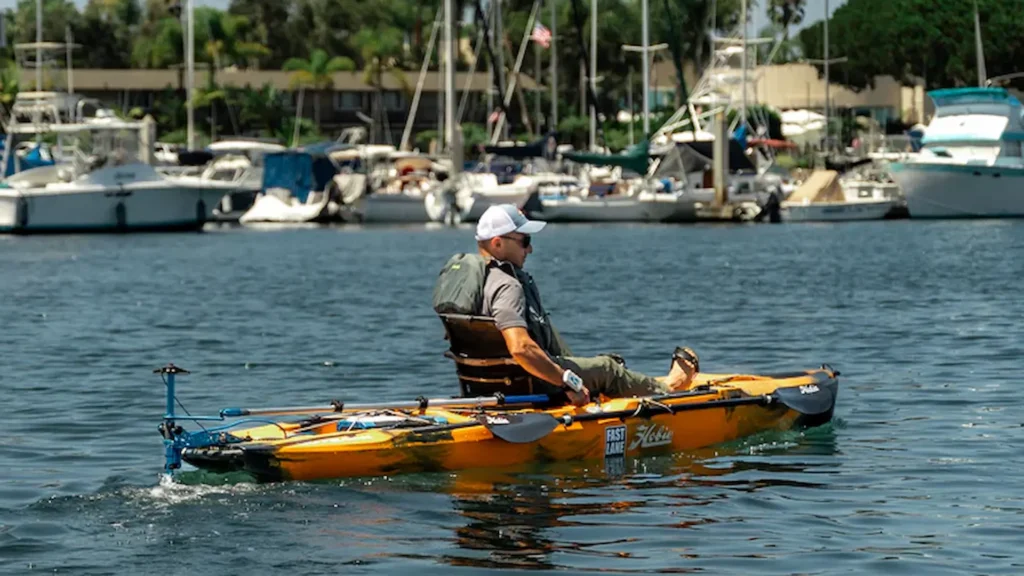
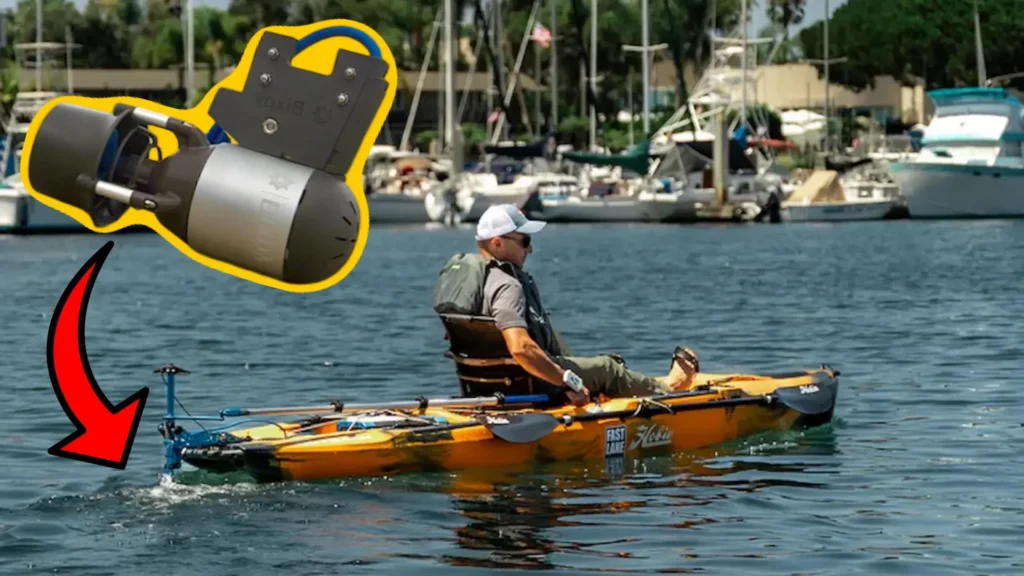
GPS trolling motors have quietly changed the way many of us fish from kayaks. By combining electric thrust with satellite navigation and autopilot, these systems let you hold position, return to productive spots, and spend more time casting instead of constantly steering. Below we break down how they work, why kayak anglers value them, how to install one, the best models for 2026, real user feedback, and simple maintenance tips to keep your setup reliable season after season. Read on and you’ll know whether a GPS motor is the right upgrade for your rig.
What Are GPS Trolling Motors and How Do They Enhance Kayak Fishing?
GPS trolling motors are purpose-built electric motors that use satellite positioning and onboard software to give precise control over your kayak’s movement. Features like waypoint navigation, station-keeping, and autopilot remove much of the guesswork when holding a line or coming back to a hot spot. For kayak anglers that means steadier presentations, less fatigue, and more productive time on the water.
Understanding GPS Technology in Trolling Motors
These motors pick up satellite signals and track your position and movement in real time. That data lets the motor follow a plotted course, lock onto a waypoint, or automatically point the kayak into wind and current. In short, the tech replaces constant steering corrections with consistent, repeatable positioning so you can focus on fishing.
Benefits of GPS Features for Precision Fishing
GPS features deliver real advantages on the water. You can return to productive spots faster, let autopilot manage heading while you fish, and hold better control in wind or current. Many anglers say the biggest win is improved lure presentation while the motor keeps the kayak steady — it changes how you fish small boats.
How to Install a GPS Trolling Motor on Your Kayak: Step-by-Step Guide
Installing a GPS trolling motor on your kayak isn’t magic, but it does take some planning and care. Follow the steps below and take your time — you’ll end up with a safer, more capable setup that pays back in convenience on every trip.
Preparing Your Kayak for the GPS Motor Upgrade
Start by gathering the right tools: a drill, the recommended screws, and the mounting bracket your motor specifies. Double-check that your kayak can handle the motor and battery — consult both kayak and motor manuals for weight, mounting, and clearance limits. Work on a stable surface, wear eye protection when drilling, and protect the hull while marking and cutting.
Detailed Installation Steps for AutoBoat GPS Trolling Motor
- Mount the Bracket: Position the mounting bracket on the kayak’s transom and mark the drill holes.
- Drill Holes: Carefully drill the holes for the screws, taking care not to weaken or crack the kayak’s structure.
- Attach the Motor: Secure the GPS trolling motor to the bracket, following the manufacturer’s alignment and torque guidelines.
- Connect the Wiring: Hook the motor wiring to the battery, making sure all connections are tight and waterproof. For reliable run time and long life, we recommend a high-quality 12v 100ah mini LiFePO4 battery.
- Test the System: Power up and verify the motor responds to GPS commands and autopilot functions before you head out.
By following these steps you can install the AutoBoat GPS Trolling Motor and upgrade your fishing setup. Don’t forget to use discount code KAYAKDIY at checkout for a special offer.
What Are the Best GPS Trolling Motors Available in 2026?
In 2026 a handful of GPS-capable trolling motors stand out for their blend of performance, features, and user feedback. Below we compare trusted names — from solid value picks to feature-rich leaders — so you can match a motor to how and where you fish.
Comparing Top Models: AutoBoat, Minn Kota, and MotorGuide
| Model | Key Features | Price | User Rating |
|---|---|---|---|
| AutoBoat GPS Trolling Motor | GPS navigation, autopilot, user-friendly interface, improved battery efficiency | Moderate price | 4.9/5 |
| Minn Kota GPS Trolling Motor | Advanced sonar, durable design, enhanced AI autopilot | Higher price | 4.8/5 |
| MotorGuide GPS Trolling Motor | High thrust, easy installation, updated app integration | Mid-range price | 4.7/5 |
Each model prioritizes something different — budget, durability, or raw power — so pick the one that fits your kayak size and fishing style.
Key Features to Consider: Battery Life, Autopilot, and Compatibility
When shopping, focus on a few core factors:
- Battery Life: Choose a motor and battery that give the runtime you need; longer trips require higher capacity or more efficient systems. We recommend lithium or LiFePO4 packs like the 12v 100ah mini for the best mix of weight and endurance.
- Autopilot Features: Smooth station-keeping and reliable waypoint navigation are essential — these features should actually make your time on the water easier.
- Compatibility: Confirm the motor’s thrust, mounting style, and physical size match your kayak — a poor fit will cost performance and cause headaches.
Use these considerations to narrow your choices and pick a motor that matches how, where, and how long you fish.
What Do Users Say? GPS Trolling Motor Reviews and Experiences
User feedback is one of the clearest ways to judge a motor. Below we summarize common reports from the KayakDIY crowd and lessons learned on the water.
KayakDIY Community Testimonials and Case Studies
Members of the KayakDIY community often say a GPS motor makes a huge difference. One angler reported the AutoBoat helped them lock onto structure and return to ambush points with ease. Others praise quick installs and controls simple enough for beginners. Community stories focus on practical wins: more bites, less fatigue, and cleaner presentations. For demos and walkthroughs, check the KayakDIY YouTube channel, which includes detailed AutoBoat videos.
Common User Benefits and Challenges
Typical benefits include steadier positioning, easier returns to productive spots, and more hands-free fishing time. The most common challenges are managing battery life and working through a short learning curve for the GPS features. For most users, the improved efficiency outweighs the extra setup and practice.
How to Maintain and Optimize Your GPS Trolling Motor for Long-Term Use
Simple maintenance keeps your motor dependable and extends its life. Below are practical habits that make a real difference.
Battery Care and Maintenance Tips
Keep your battery healthy with these routines:
- Regular Charging: Charge the battery after each outing to avoid deep discharges that shorten its life.
- Storage Conditions: Store batteries in a cool, dry spot and avoid extreme heat or freezing temperatures.
- Inspection: Check terminals and cables for corrosion or wear and fix issues right away.
Follow these steps to maximize life and performance, especially when using lithium or LiFePO4 batteries like the 12v 100ah mini.
Troubleshooting Common GPS Motor Issues
If something goes wrong, try these basic fixes first:
- Check Connections: Make sure all battery and motor connections are tight and clean.
- Reset the System: Power-cycle the unit or follow the manufacturer’s reset procedure if the motor or GPS becomes unresponsive.
- Consult the Manual: The user manual often lists model-specific checks and firmware updates that solve common problems.
Those steps resolve most issues; if problems persist, contact the manufacturer’s support or a trusted technician.
What Are the Latest Trends and Market Insights for GPS Trolling Motors?
The electric kayak motor market is growing and innovating quickly. Here are a few trends shaping what’s available now and what to expect next.
2026 Industry Statistics on Electric Kayak Motors
Adoption of electric kayak motors continues to rise, with recent data showing steady year-over-year growth. Analysts expect the market to expand roughly 12–18% annually as more anglers choose electric propulsion and GPS features for small boats and kayaks.
Emerging Technologies and Future Developments
Look for improvements in battery energy density, smarter autopilot systems with AI learning, and tighter smartphone or tablet integration that simplify setup and control. These advances will push run times higher, reduce weight, and add convenience features that make GPS trolling motors even more practical for everyday kayakers.
For ongoing updates and in-depth guides, visit the KayakDIY blog.
Shop AutoBoat Motors Now
Exclusive Offer: Upgrade Your Kayak with AutoBoat GPS Trolling Motors
Ready to step up your kayak fishing? Explore the AutoBoat GPS Trolling Motors collection for precise control, autopilot features, and straightforward installation. Pair your motor with the recommended 12v 100ah mini LiFePO4 battery for the best performance.
Shop through our affiliate link: https://www.wattcycle.com/?ref=teiqfezc and enter discount code KAYAKDIY at checkout to save on your purchase.
And don’t forget the KayakDIY YouTube channel for installation tips, reviews, and fishing trips featuring AutoBoat motors.
Frequently Asked Questions
1. How do I choose the right GPS trolling motor for my kayak?
Start with your kayak’s size and weight capacity, then match thrust and mounting style to those limits. From there compare runtime (battery size), autopilot features, and how easy the controls are to use. Reading user reviews and comparing a few models against your typical fishing conditions will help you pick the right fit.
2. Can I use a GPS trolling motor in saltwater?
Yes — but only if the motor is rated for saltwater. Saltwater-rated units use corrosion-resistant materials and typically need more frequent rinsing and care. Always rinse the motor with fresh water after saltwater trips and follow the manufacturer’s maintenance advice.
3. What is the average lifespan of a GPS trolling motor?
With proper care, expect a quality GPS trolling motor to last roughly 5 to 10 years. Lifespan depends on usage, exposure to the elements, battery maintenance, and following recommended service intervals.
4. Are GPS trolling motors easy to operate for beginners?
Yes. Most modern units have straightforward controls and clear setup guides. Autopilot and waypoint functions take a little practice, but many beginners are comfortable with the core features after a single day on the water.
5. What maintenance is required for a GPS trolling motor?
Routine tasks include cleaning and inspecting connections, rinsing the motor after saltwater use, and keeping the battery charged and stored correctly. Follow model-specific service intervals in the manual for the best results.
6. Can I upgrade my existing trolling motor to include GPS features?
Sometimes. A few manufacturers offer retrofit GPS kits, but compatibility varies by model and year. Check with the motor maker or a professional installer to see whether an upgrade kit will work for your unit — or if a new GPS-integrated motor makes more sense.
7. How do I troubleshoot common issues with my GPS trolling motor?
Start by checking power and wiring for loose or corroded connections. Try a reset or firmware update if available, and consult the manual for model-specific diagnostics. If basic troubleshooting doesn’t help, contact the manufacturer’s support or a qualified technician.
Pingback: Vibe Sea Ghost 105 WRD Review: Specs & First Look