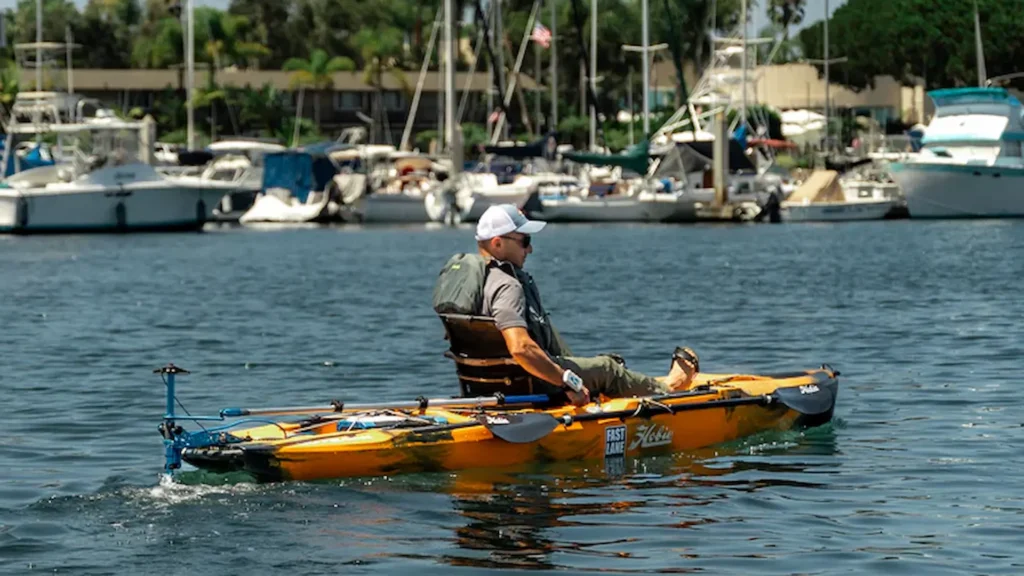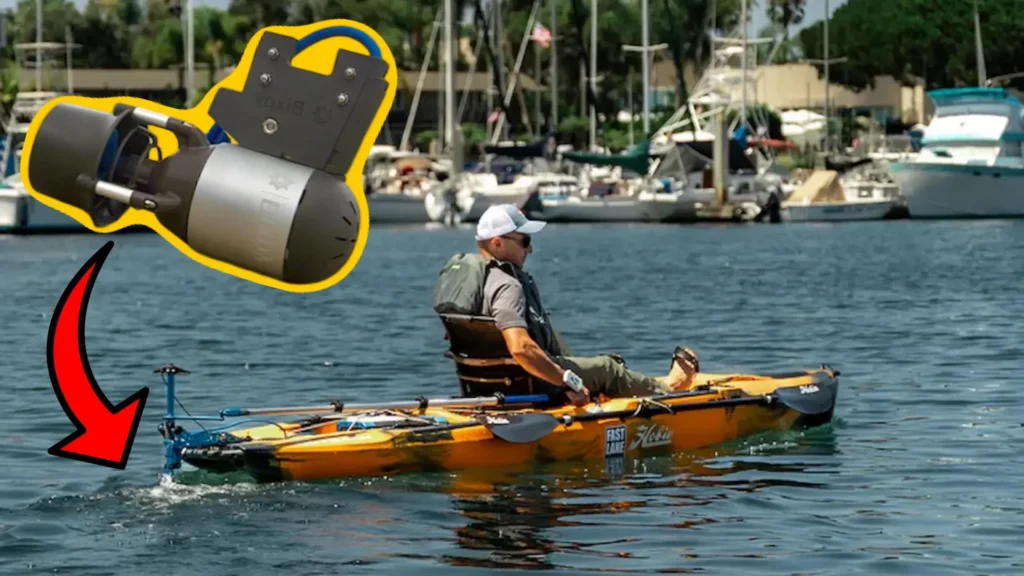
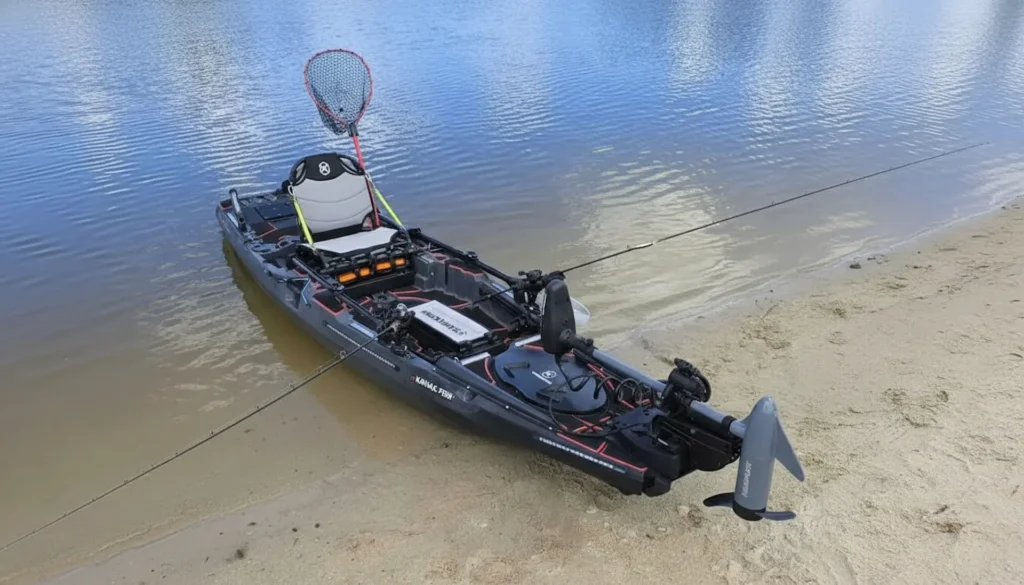
If you fish from a kayak, adding a GPS trolling motor is one of the smartest upgrades you can make. These systems use GPS to hold your position, follow set routes, and take much of the work out of paddling or fighting current. This guide explains how GPS trolling motors work, highlights the best picks for 2026, walks through a clear install process, and covers maintenance to keep your setup dependable. Read on and you’ll know which features matter and how to get the most from your motor on the water.
What GPS Trolling Motors Do — and Why They Help Kayak Anglers
GPS trolling motors are designed for anglers who want better control from their kayak. By combining electric propulsion with GPS, they give precise positioning and easier handling. The biggest win is less time correcting your position and more time fishing—especially when wind or current would otherwise pull you off the bite.
What Defines a GPS Trolling Motor and the Key Features to Expect
Most GPS trolling motors share a handful of features that make them especially useful on a kayak:
- GPS Navigation: Pinpoint your location, save waypoints, and return to productive spots without guessing.
- Spot Lock: Acts like an electronic anchor to keep your kayak in place so you can fish hands-free in breeze or chop.
- Variable Speed Control: Tweak speeds for slow drifts or faster runs depending on how you want to present the bait.
Together, these features reduce physical effort and let you focus on catching fish.
How GPS Tech Raises Precision and Control While You Fish
GPS-equipped motors use satellite positioning to track your kayak and make small automatic corrections. That gives you three practical advantages:
- Maintain Position: Spot Lock keeps you on a productive spot without constant paddling or steering.
- Plan Efficient Routes: Save and follow waypoints so you can move between productive areas quickly and repeatably.
- Boost Safety: Knowing your exact location helps with navigation and getting back to shore if conditions change.
For serious anglers, those benefits add up to better, more productive days on the water.
Best GPS Trolling Motors for Kayaks in 2026
The GPS trolling motor market keeps getting better. For 2026, a few models stand out for reliability, features, and overall value for kayak use.
Top GPS Trolling Motor Models to Consider
- Minn Kota Ultrex: Built tough with advanced GPS features and strong thrust — a top choice for anglers after premium performance.
- MotorGuide Xi5: Known for quiet, dependable operation and solid GPS tools — ideal when stealth matters.
- AutoBoat GPS Trolling Motor: A budget-friendly option that delivers the essential GPS functions without a steep price tag. Check out the AutoBoat GPS trolling motors collection and use the discount code KAYAKDIY for savings.
Anglers report these models perform well across a range of real-world conditions.
Budget-Friendly GPS Options That Still Deliver
If you’re watching your budget, a few lower-cost motors still include meaningful GPS features:
- Newport Vessels NV-Series: A sensible balance of features and price for casual anglers.
- Watersnake ASP: Lightweight and affordable — a solid pick for smaller kayaks and calm-water use.
These options let you try GPS benefits without a major up-front investment.
Installing a GPS Trolling Motor on Your Kayak — Step by Step
Mounting a GPS trolling motor on a kayak is within reach for most DIYers with basic tools. Below we cover the prep, the tools, and the install sequence so you can tackle it with confidence.
Tools and Prep You’ll Need for a Smooth Installation
Before you start, gather these items:
- Drill and Drill Bits: For the mounting holes.
- Screwdriver: To drive screws and fasteners.
- Wrench: For tightening bolts securely.
- Measuring Tape: To get placement accurate the first time.
Make sure the kayak is clean and dry, and double-check the motor manufacturer’s instructions for any model-specific steps.
Installation Steps — Practical Tips for DIYers
- Choose the Mount Location: Pick a spot that gives easy access and won’t interfere with paddling or gear.
- Mark and Drill Holes: Align the bracket carefully, mark your holes, and drill straight to avoid alignment problems.
- Attach the Motor: Fasten the mount and motor with the supplied hardware — snug, but don’t over-tighten.
- Connect the Wiring: Follow the manufacturer’s wiring diagram and secure all connections. Keep battery leads tidy and protected.
Do a systems check before you head out: test Spot Lock, speeds, and steering while still on land or tied to the dock.
What to Look For When Choosing a GPS Trolling Motor
Choosing the right motor is about matching features to your kayak, fishing style, and typical conditions.
Motor Thrust, Battery Life, and GPS Capabilities Explained
- Motor Thrust: Measured in pounds of thrust — higher numbers matter for heavier kayaks or windy, rough conditions.
- Battery Life: Check how long a full charge will last at the speeds you use most. Longer runtime means more fishing and less charging worry. Most modern GPS trolling motors use lithium or LiFePO4 batteries, which offer better energy density, longer life cycles, and lighter weight compared to traditional lead-acid batteries. For reliable power, we recommend high-quality LiFePO4 batteries like those from WattCycle. You can find them at WattCycle and use the discount code KAYAKDIY for savings. These batteries are specifically designed for trolling motors and marine applications, providing longer run times, enhanced durability, and lighter weight to improve your kayak fishing experience.
- GPS Navigation: Look for waypoint support, dependable Spot Lock, and intuitive controls so you can use the GPS features easily on the water.
Pick specs that match how and where you fish, not just the biggest numbers on paper.
Remote Controls and AI-Assisted Navigation — What They Do for You
Modern systems often include remotes and smarter navigation features:
- Hands-Free Operation: Remotes let you steer and change speeds without reaching to the motor — useful when casting or fighting a fish.
- AI Navigation: Some systems automatically adjust position or heading based on conditions, making station-keeping and route-following smoother.
These features cut the chores so you can concentrate on fishing.
Beyond recreational use, GPS trolling motors are also being used in experimental and autonomous vessel projects.
ProNav GPS Trolling Motor Integration for Autonomous Vessels
A team of Engineering Physics students at MSU’s School of Engineering is building an autonomous test vessel that includes a small pontoon-style boat, a trolling motor, base electrical systems, and a ProNav GPS navigation module to speed up their research and fieldwork.
Sensor Updates for Bigheaded Carp-Tracking Autonomous Boat, 2023
Maintenance and Troubleshooting to Keep Your Motor Reliable
Routine care prevents many common problems and keeps your GPS trolling motor ready for the water.
Simple Maintenance Steps to Extend Motor and Battery Life
- Regular Cleaning: Rinse the motor with fresh water after each outing to remove salt, muck, and debris.
- Battery Care: Keep lithium or LiFePO4 batteries charged between trips, store them in a cool, dry place, and follow the manufacturer’s charging guidelines. Proper battery care extends lifespan and ensures reliable performance.
- Inspect Connections: Check wiring and terminals for corrosion or loose connections and fix issues early.
Small, regular checks prevent bigger problems later.
Common Problems and How to Troubleshoot Them
When things go wrong, these quick checks will often get you back on the water:
- Motor Not Responding: Verify the battery charge and check positive/negative connections first.
- GPS Signal Loss: Move to an open area away from tall structures or metal obstructions that can block satellite reception.
- Unusual Noises: Inspect the prop and shaft for debris, bent parts, or wear that could be causing noise.
Address issues promptly to keep trips smooth and safe.
User Feedback: Real KayakDIY Experiences and Case Notes
Hearing from other anglers helps you understand real-world performance. Below are common takeaways from our community.
KayakDIY Users and AutoBoat GPS Trolling Motor Upgrades
Many kayakers who upgraded to the AutoBoat GPS trolling motor report noticeable gains. Users often mention:
- Ease of Use: Simple installs and intuitive controls make entry-level GPS motors approachable.
- Better Fishing Results: Holding position and precise movement mean more time in the strike zone.
For many anglers, those improvements make the upgrade worth it.
How Users Rate Popular GPS Trolling Motors
| Model | User Rating | Key Feedback |
|---|---|---|
| Minn Kota Ultrex | 4.8/5 | Exceptional performance and reliability |
| MotorGuide Xi5 | 4.5/5 | Quiet operation and effective GPS features |
| AutoBoat GPS Trolling Motor | 4.3/5 | Great value for money with essential features |
To learn more about our company and mission, check out the about page.
For ongoing tips, reviews, and project write-ups visit the KayakDIY blog, where we post regular updates.
Frequently Asked Questions
1. How do I choose the right GPS trolling motor for my kayak?
Match the motor to your kayak’s size and weight, the water you usually fish, and your fishing style. Make sure the thrust rating fits your kayak and conditions, and compare battery life and GPS features. Reading user reviews and checking installation complexity will also help you decide.
2. Can I use a GPS trolling motor in saltwater?
Yes — but pick a model rated for saltwater. Saltwater-rated motors use corrosion-resistant materials and finishes. Rinse the motor thoroughly with fresh water after every saltwater trip to prevent salt buildup and extend component life.
3. What is the average lifespan of a GPS trolling motor?
Lifespan depends on use and care. With regular maintenance and proper battery handling, a quality GPS trolling motor typically lasts 5–10 years. Heavy use, saltwater exposure, and poor battery care can shorten that span.
4. Are there any safety considerations when using a GPS trolling motor?
Yes. Make sure the motor is installed correctly and all electrical connections are secure. Learn emergency shut-off procedures and follow local rules for motorized vessels. Always wear a life jacket and carry a communication device when you head out.
5. How do I troubleshoot common issues with my GPS trolling motor?
Start with simple checks: confirm the battery is charged and connections are tight for a non-responsive motor. For GPS signal loss, move to a clearer area with a better view of the sky. For odd noises, inspect the prop and shaft for debris or damage. Routine maintenance catches many issues early.
6. Can I install a GPS trolling motor myself, or should I hire a professional?
Many kayakers install their own motors successfully with basic tools and patience. Follow the manufacturer’s instructions closely. If you’re uncomfortable with drilling, wiring, or electrical connections, hiring a pro ensures a safe, correct installation.
7. What are the benefits of using a GPS trolling motor over a traditional motor?
GPS trolling motors deliver finer control: Spot Lock holds position, waypoint navigation repeats routes, and many units run quietly for stealthy fishing. They reduce physical effort and help you stay on productive water longer than paddling or a traditional motor alone.
Recommended Batteries for Your GPS Trolling Motor
For the best performance and reliability, high-quality lithium or LiFePO4 batteries are essential. These batteries offer longer run times, lighter weight, and greater durability compared to traditional lead-acid options. We recommend WattCycle’s LiFePO4 batteries, which are built specifically for trolling motors and other marine uses. Use the discount code KAYAKDIY at checkout to save on your purchase.
For more tips and videos on installing and using AutoBoat GPS trolling motors, check out the KayakDIY YouTube channel.