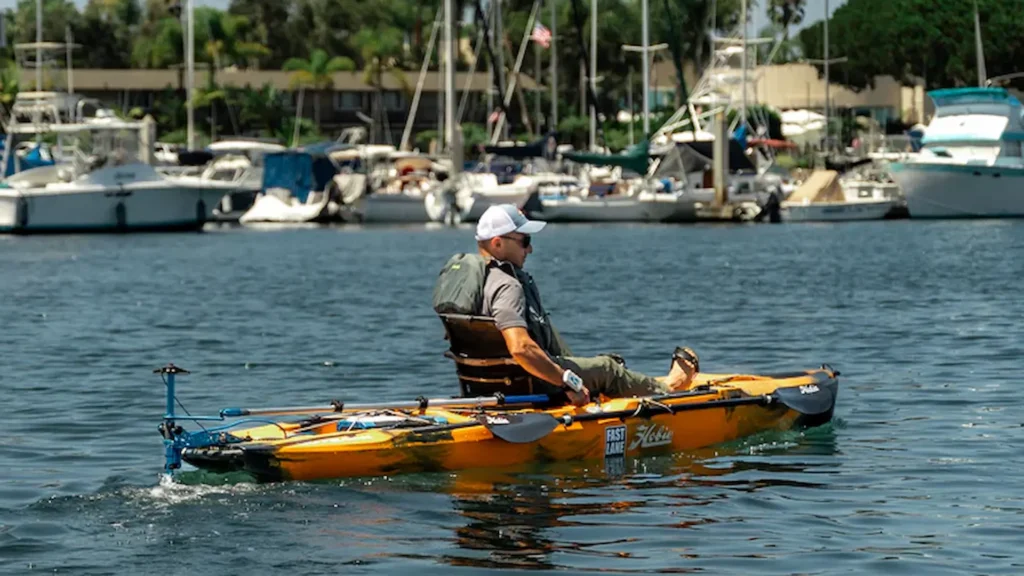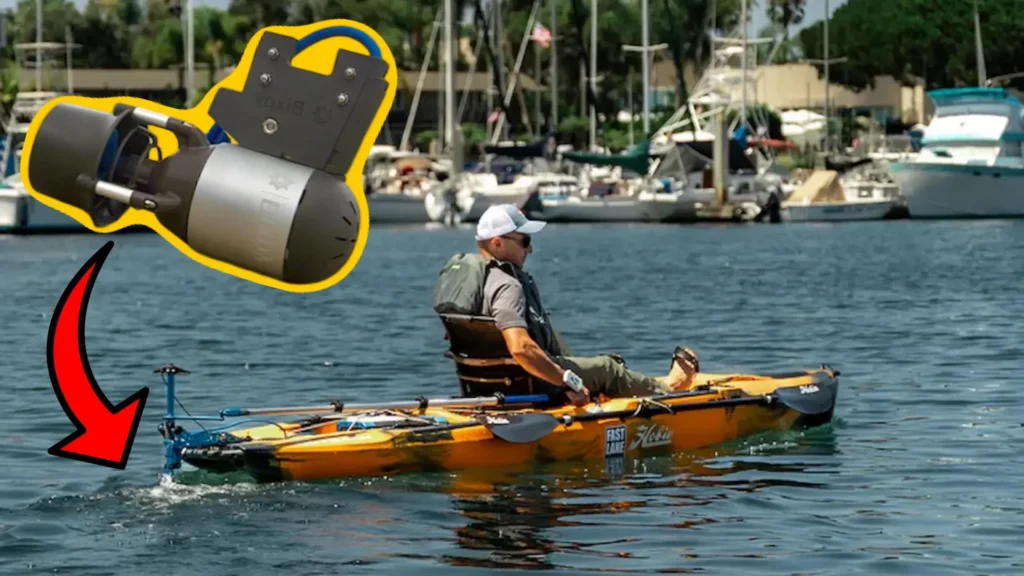
GPS-equipped trolling motors have quietly changed how we fish from kayaks. By combining precise positioning with automated steering, they cut down the time spent fighting current and wind so you can focus on catching fish. Below we walk through the core features that make GPS trolling motors valuable, the real-world advantages for kayak anglers, and what to watch for when picking and installing one. You’ll also get straightforward battery and power-management basics so you can plan longer trips with confidence.
Key features that set GPS trolling motors apart
Today’s GPS trolling motors bring practical, purpose-driven features that make them easier and smarter to use on small boats. Expect GPS navigation, autopilot or heading-hold modes, and built-in battery-management tools. Each feature removes guesswork and helps you fish more efficiently.
How GPS navigation improves motor performance
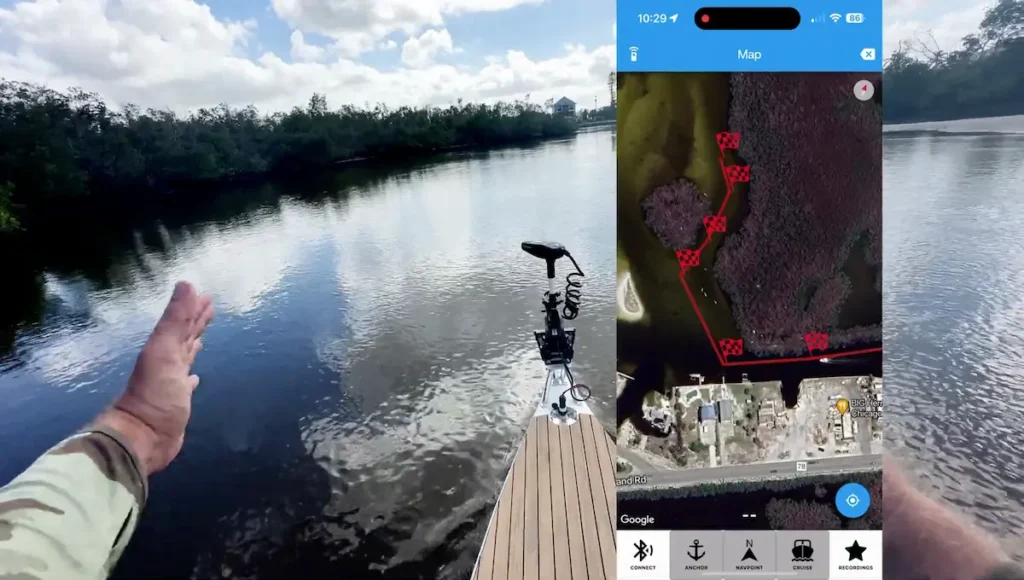
GPS adds reliable position tracking and the ability to save and follow waypoints or routes. That means you can mark a hot spot and return precisely, follow a drift line, or hold station without constant steering. When conditions change, GPS makes it simple to adjust your path and stay on productive water.
Autopilot and route control — what they do for you
Autopilot functions let the motor hold a heading or run a programmed route so you don’t have to steer every minute. That hands-free control is a game-changer in wind, current, or when you’re covering big water. It reduces fatigue and keeps your attention on the rods, not the tiller.
Why GPS trolling motors make sense for kayak anglers
The payoff is practical: better accuracy on productive spots, less physical strain, and more efficient time on the water. For many paddlers that means more bites and a more enjoyable day fishing.
Looking for reliable, budget-conscious options built for kayaks and SUPs? Check out KayakDIY for gear and how-to guides made for small-boat anglers.
How GPS sharpens precision and saves time
With GPS you can zero in on productive locations and get back to them consistently. Anglers using GPS motors spend less time searching and more time fishing — which usually shows up in better results. Even without formal studies, experienced users agree: GPS reduces downtime and improves targeting.
Practical user benefits of autopilot
Autopilot gives you hands-free running and noticeably less fatigue on long days. Set a course, manage your lines, or take a break while the motor keeps you steady. Many paddlers report longer, more relaxed days on the water after switching to motors with autopilot.
Battery life and power management: what affects runtime
Battery capacity and how you manage power are the biggest factors in motor runtime. Choosing the right battery and running efficient settings helps avoid surprise shutdowns and keeps you fishing longer.
Recommended battery capacities for kayak setups
For kayak installs, batteries in the 12V to 24V range are common depending on motor power. Higher-voltage or higher-capacity batteries deliver longer runtimes, which helps on extended trips or when you run at higher speeds. We recommend the “12v 100ah mini” LiFePO4 battery for trolling motors for a good balance of performance and weight.
How battery life translates to real-world runtime
Runtime depends on motor draw, speed setting, kayak weight, and conditions. A full battery typically gives between about 3 and 10 hours depending on those variables. Simple habits — using lower throttle, watching voltage, and charging after each trip — will noticeably extend that runtime.
Installation and compatibility: what to check before you buy
Fit and mounting options matter. Knowing how a motor mounts and how it’s powered makes installation smoother and improves performance. Plan ahead so the setup works with your kayak’s layout and your fishing style.
Can you retrofit a GPS trolling motor to your kayak?
Most kayaks can accept a trolling motor retrofit if there’s space and proper mounting points. Typical installs use a bow or transom mount plus a battery connection. Always follow the motor manufacturer’s instructions and verify your kayak’s load capacity before retrofitting.
Which installation types and compatibility factors matter most?
Consider your hull shape, mounting options (bow vs. transom), shaft length, and battery placement. Accessories like quick-release mounts or cable-routing kits simplify installs. Matching motor thrust to kayak weight and intended use delivers the best results.
Where to find trusted reviews and user case studies
Hands-on reviews and case studies help you compare real-world performance, battery life, and ease of use across models. Look for long-term user reports covering installation, durability, and how the motor behaves in conditions like yours.
What users say about AutoBoat GPS trolling motors
Owners who’ve upgraded to AutoBoat GPS trolling motors often praise their ease of use and reliability. Many note more consistent results and an easier time returning to productive spots thanks to the GPS. For demos and setup help, check the KayakDIY YouTube channel, which has detailed AutoBoat content and step-by-step tutorials.
How reviews compare across different brands
When comparing brands, weigh thrust, battery draw, GPS accuracy, and customer support. Reviews that include battery runtimes and installation notes are especially useful for kayak anglers choosing the right model.
Battery choice affects performance and weight. The table below summarizes common battery types and how they fit different kayak use cases.
| Battery Type | Capacity | Ideal Use Case |
|---|---|---|
| Lead-Acid | 12V | Short trips; a budget-friendly choice |
| Lithium / LiFePO4 | 12V to 24V | Long trips; lightweight and high performance |
| AGM | 12V | Moderate trips; good balance of cost and reliability |
Picking the right battery improves runtime and reduces weight — both important when you’re fishing from a small boat.
| Feature | Benefit | Why It Matters for Kayak Fishing |
|---|---|---|
| GPS Navigation | Accurate positioning and waypoint tracking | Helps anglers return to productive spots and hold position without constant steering |
| Autopilot / Heading Hold | Hands-free steering and route following | Reduces fatigue and lets you focus on fishing rather than steering |
| Battery Management Tools | Monitors power use and optimizes runtime | Extends fishing time and prevents unexpected shutdowns |
| Mounting Flexibility | Options for bow or transom mounts | Ensures compatibility with various kayak designs and fishing setups |
For ongoing tips, build guides, and gear reviews, check our blog.
Discover AutoBoat GPS Trolling Motors
Ready to upgrade your kayak setup? AutoBoat GPS trolling motors deliver precision, reliability, and hands-free control that make fishing easier and more enjoyable. Built with kayaks and small boats in mind, these motors combine advanced GPS navigation and autopilot features to keep you on target and reduce fatigue.
Shop now at TB Nation’s AutoBoat collection and use promo code KAYAKDIY at checkout for a special discount.
To power your AutoBoat motor, we recommend the “12v 100ah mini” LiFePO4 battery available at WattCycle. Use the discount code KAYAKDIY for savings on your purchase.
For installation tips, product reviews, and real-world demos, visit the KayakDIY YouTube channel where you’ll find extensive AutoBoat content to help you get the most from your gear.
Frequently Asked Questions
What maintenance does a GPS trolling motor need?
Regular maintenance keeps a GPS trolling motor reliable. Check and tighten battery connections, rinse and clean the motor and prop after each trip (especially after saltwater), and inspect wiring for wear or corrosion. Store the unit dry and follow the manufacturer’s service recommendations to avoid surprises on the water.
How do I choose the right GPS trolling motor for my kayak?
Match motor thrust to your kayak’s weight and how you plan to use it. Look for GPS and autopilot features you’ll actually use, consider shaft length and mounting type, and pick a battery that gives the runtime you need. Read user reviews and installation notes from anglers with similar kayaks to guide your decision.
Can GPS trolling motors be used in saltwater?
Yes—if the motor is rated for saltwater. Saltwater-rated models use corrosion-resistant materials and protective coatings. Always rinse the motor with fresh water after saltwater use and perform extra corrosion checks during maintenance.
What safety precautions should I take using a GPS trolling motor?
Safety first: wear a life jacket, carry a whistle and basic first-aid kit, and follow local boating regulations. Check weather and water conditions before launch, stay aware of other boats, and tell someone your plan and expected return time.
How can I improve the battery life of my GPS trolling motor?
Use a battery sized to your motor’s draw, run at lower speeds when possible, and monitor voltage during trips. Recharge promptly after use, consider a solar trickle charger for multi-day outings, and use a battery-management system to protect battery health and extend service life.
Why choose lithium or LiFePO4 batteries for GPS trolling motors?
Lithium and LiFePO4 batteries are lighter and hold more energy for their size, which means longer runtimes and less weight in the kayak. They charge faster, tolerate deeper discharges, and last longer overall—making them a smart pick for anglers who want reliable, lightweight power.