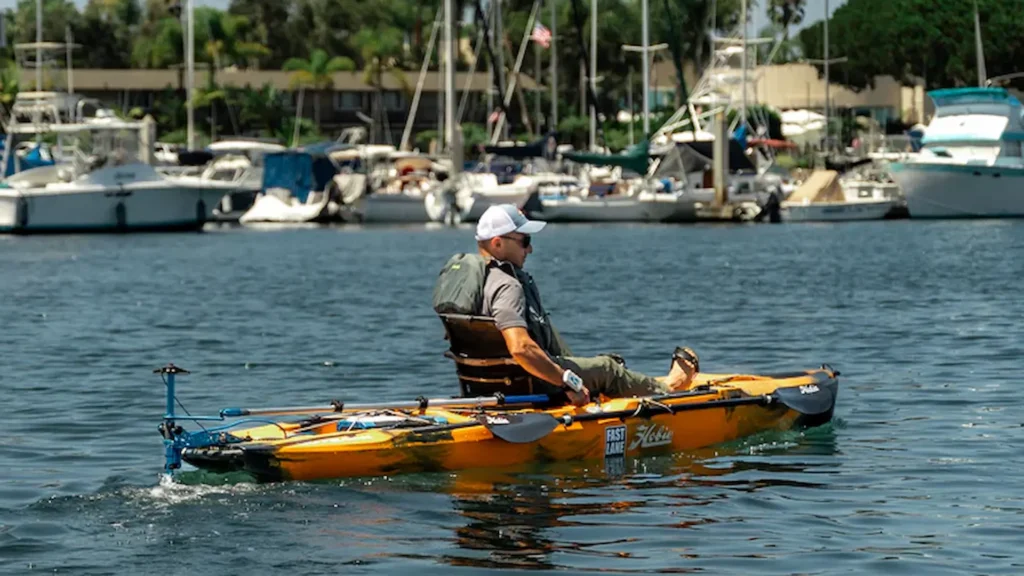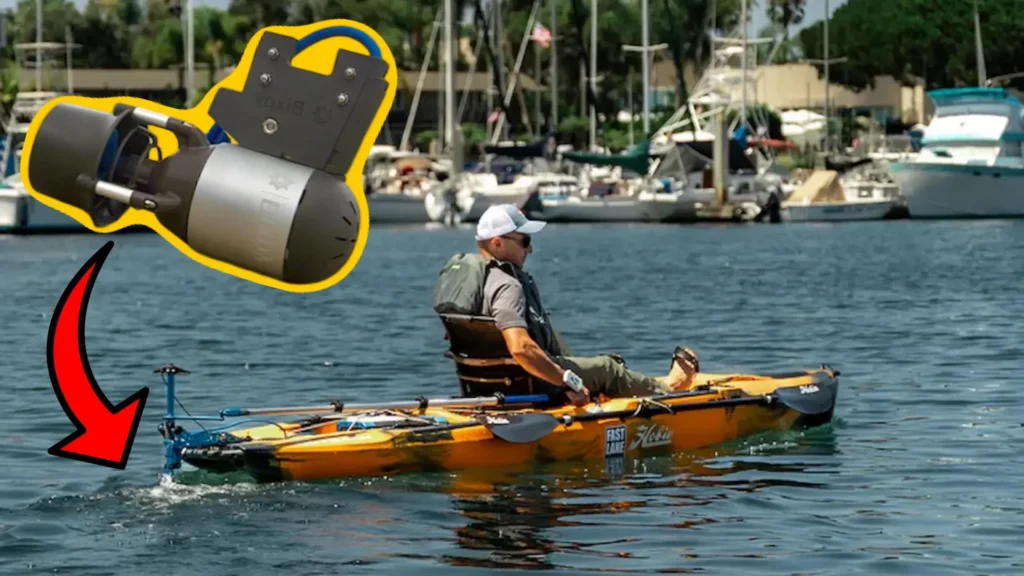
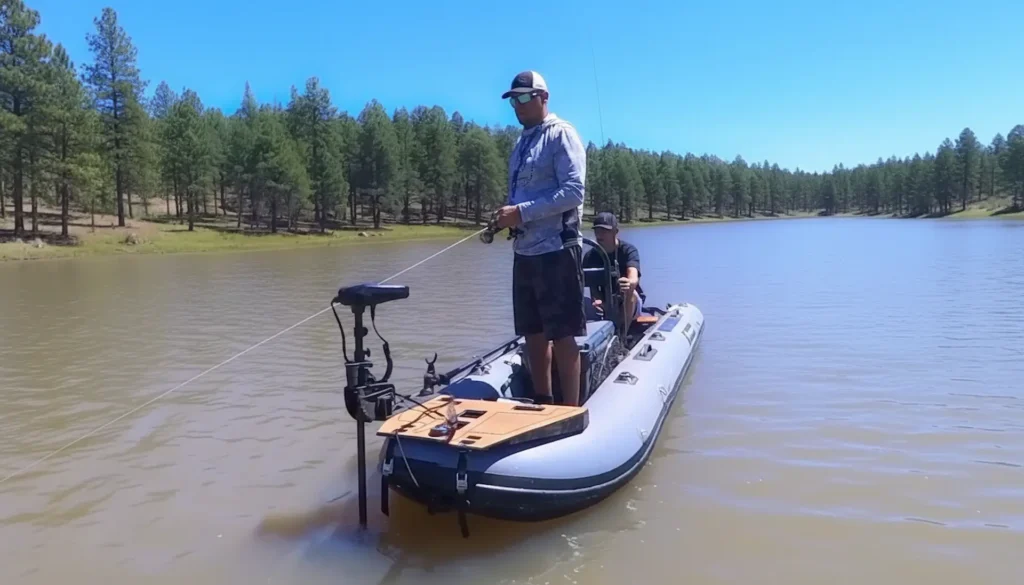
Cheap trolling motor options can turn a slow, tiring day on the water into a productive one. A dependable, budget-friendly motor helps you fish longer, hold position, and move between spots without blowing your budget. This guide walks through the essentials—thrust, batteries, mounting, and useful tech like GPS—so you can pick a motor that fits your kayak and the way you fish. Read on and you’ll feel ready to choose the right setup.
Key features that make a cheap trolling motor worth buying
Not all budget motors are equal. A few core attributes make the biggest difference afloat. Prioritize motor thrust, total weight, and noise level—those three determine performance, portability, and how stealthy you’ll be while fishing.
Why motor thrust matters for kayak fishing with a cheap trolling motor
Thrust tells you how well a motor will move and control your kayak. It’s measured in pounds (lb) and indicates how the motor handles wind, current, and your loaded weight. For example, 30 lb of thrust is usually fine for small kayaks on calm water. If you paddle a heavier rig or expect wind and chop, aim for 55 lb or more. More thrust gives better control and makes getting to your spots easier.
Why lightweight, quiet cheap trolling motors are worth it
Lighter motors are easier to carry, fit, and stow—handy when you load gear solo. Quieter motors matter for fishing: less vibration and sound reduce the chance of spooking fish, especially skittish species like bass. In short, a light, quiet budget motor makes trips easier and usually more productive.
Top battery options and how to care for your cheap trolling motor battery
Your battery choice affects range, weight, and long-term cost. Different chemistries need different care and behave differently on longer trips. Know the trade-offs so you pick a battery that matches how often and how far you run your budget trolling motor.
Which battery types work with budget cheap trolling motors?
The two common choices are lead-acid and lithium (LiFePO4). Lead-acid batteries cost less up front but are heavier and require more maintenance. Lithium (LiFePO4) batteries weigh less, last longer, and need less upkeep, though they cost more initially. Consider how often you fish, how far you go, and whether the higher up-front price is worth the long-term convenience.
Research and comparisons highlight the practical differences between these battery types.
Lithium (LiFePO4) vs. Lead-Acid Trolling Motor Batteries
Lithium (LiFePO4) batteries usually deliver higher energy density and a longer cycle life, while lead-acid remains a lower-cost, heavier option that requires more maintenance. Early SLI-type lithium-ion packs showed clear differences from traditional lead-acid units, particularly in weight and energy delivery.
Lead-acid batteries for future automobiles, 2017
Energy density and efficiency are useful ways to compare which battery suits small electric propulsion.
Comparing Lead-Acid and LiFePO4 Battery Energy Density
Different storage technologies—supercapacitors, lead-acid, fuel cells, and lithium—show wide variation in energy density. Lead-acid typically has much lower energy density than modern lithium-ion cells, which is why lithium (LiFePO4) options give more runtime for less weight.
Hierarchical spatiotemporal analyses and the design of all-solid-state lithium(LiFePO4) batteries, 2022
How to extend cheap trolling motor battery life and keep performance steady
Simple habits keep batteries healthy and predictable. Follow these steps:
- Regular Charging: Recharge after each trip to avoid deep discharges that shorten battery life.
- Proper Storage: Store batteries in a cool, dry place and avoid freezing or excessive heat.
- Routine Inspections: Check terminals for corrosion and clean connections so power flows without loss.
Do these three things and your battery will last longer and perform more reliably on the water.
Battery we recommend: we highly recommend the LiFePO4 battery for trolling motors. It offers a great balance of capacity, weight, and durability for kayak fishing. For those interested, you can find these batteries at WattCycle. Use discount code KAYAKDIY for savings.
How to pick mounting and installation methods for a cheap trolling motor
Mounting and installation matter as much as the motor itself. The right mount keeps the motor secure, helps balance the kayak, and makes operation easier. Match the mount to your kayak style and how you plan to use the motor.
Which mounting types work best for kayaks with a cheap trolling motor?
Two common mount types are transom and bow mounts. Transom mounts are usually easier to install and fit most smaller kayaks. Bow mounts give finer control and easier steering—useful for larger kayaks or rougher water. Pick based on your kayak’s layout and how much maneuverability you want.
DIY installation: step-by-step tips for your cheap trolling motor
Installing a budget trolling motor is doable with basic tools. Follow these steps:
- Gather Tools: Have a drill, the right screws, and the mounting hardware ready before you start.
- Position the Motor: Test-fit the motor to keep weight balanced and controls within easy reach.
- Secure the Mount: Fasten the bracket firmly so it won’t shift under load—double-check tightness and backing plates if needed.
- Connect the Wiring: Follow the manufacturer’s wiring diagram. Make all connections secure and protect them from water.
With careful placement and waterproofed wiring, your motor will run safely and reliably.
Which budget cheap trolling motor models include GPS and smart features?
Affordable trolling motors are catching up on tech. You can now find models with GPS hold, waypoint nav, and remote control without paying premium prices. These extras improve navigation and let you fish more efficiently.
How GPS-enabled cheap trolling motors change kayak fishing
GPS features let you mark productive spots, track where you’ve been, and return to the same place reliably. On a big lake or in unfamiliar waters, that saves time and keeps you fishing instead of guessing. It’s a practical upgrade for anglers who value repeatability.
Budget-friendly smart upgrades for cheap trolling motors worth considering
Look for motors that add practical tech: basic GPS anchoring, remote control, or an integrated fish-finder. These features raise usefulness without forcing you into high-end price tiers. Prioritize the tools that match your fishing style for the best value.
Introducing AutoBoat: GPS Navigation Control Adapters and Complete Systems
AutoBoat is primarily a brand of GPS navigation control adapters, known as the AutoBoat Smart Head™, designed to add advanced, auto-pilot GPS features to existing basic, transom-mount trolling motors. These adapters are sold both as accessories and as part of complete GPS-enabled trolling motor systems, providing a cost-effective way to upgrade your current setup.
AutoBoat Smart Head GPS Adapter
The core AutoBoat product is the Smart Head, which replaces the stock head and tiller of compatible trolling motors, such as certain Minn Kota and Newport Vessels models. This replacement transforms a basic motor into a smart system with features typically found only in more expensive, high-end trolling motors like the Minn Kota Ultrex or MotorGuide Xi3/Xi5.
Features: Key functionalities include GPS anchoring (“spot-lock”), route memory, heading lock, and control via a wireless remote or mobile app available for both iOS and Android devices.
Compatibility: The Smart Head is designed for specific 12V transom-mount trolling motors, including certain Minn Kota Endura, Minn Kota Riptide, and Newport Vessels NV series models.
Purpose: According to reviewers, the Smart Head is a “game changer” and a cost-effective way to upgrade an existing, more economical trolling motor, allowing users to focus more on fishing and less on steering.
Complete AutoBoat Trolling Motor Systems
AutoBoat also offers complete trolling motor packages that integrate the Smart Head technology with a motor and shaft, providing a full, ready-to-use GPS trolling motor solution. These systems are built with marine-grade materials suitable for saltwater use, provided proper maintenance is followed.
Design: These are typically transom-mounted systems, which are preferred by some users for their space-saving design compared to bow-mount options.
Performance: Reviewers note that the system is responsive and effective at holding position, even in rougher waters, provided the appropriate thrust level for the boat size is used.
Upgrade Your Trolling Motor with AutoBoat GPS
Turn your motor smart with AutoBoat GPS. Get Spot-Lock, Jog & App Control for a fraction of the price. Save big with code KAYAKDIY.
Common questions about cheap trolling motors, answered
Here are answers to the questions people ask most when shopping for an affordable trolling motor.
How quiet are electric cheap trolling motors for fishing?
Electric budget motors are much quieter than gas engines. Most models run quietly enough that they don’t spook fish, which makes them ideal for anglers who need stealth. In practice, quieter operation often means more bites.
How long do cheap trolling motor batteries typically last?
Battery life depends on chemistry and care. Lead-acid packs often last several years with proper maintenance. Lithium (LiFePO4) batteries can last up to around a decade if treated well. Charging habits, storage temperature, and usage all affect longevity—so follow the care tips above to get the most life out of any battery.
Technical studies on lead-acid performance illustrate real-world range and energy use for electric propulsion systems.
Lead-Acid Battery Performance & Range for Electric Propulsion
A preliminary study used a sealed lead-acid battery with about 7.2 kW·h capacity and measured energy consumption near 0.60 kW·h/km, yielding an estimated one-charge range of roughly 8.35 km. The study also reported drawbar pull figures of 5.76 kN at a 14% slip rate and 3.89 kN at a 22% slip rate, indicating practical viability in some applications.
Preliminary study on the applicability of an electric tractor (Part 1)
Energy consumption and drawbar pull performance, T Takigawa, 1981
If you want to learn more about who we are, visit our About page.
Thinking about an upgrade? See our AutoBoat GPS trolling motor upgrade options for better control and navigation. Use code KAYAKDIY for savings.
For regular tips, how-tos, and gear reviews, check our Blog.
Frequently Asked Questions about cheap trolling motors
What is the average cost range for cheap trolling motors?
Expect to pay within a budget-friendly range for budget trolling motors. Entry-level models with basic features sit near the low end; motors with stronger thrust or smart features like GPS push toward the higher end. Balance features with budget to get the best value.
Can I use a cheap trolling motor on any kayak?
Many kayaks can accept a budget trolling motor, but check hull design and weight capacity first. Some kayaks are built for motors, while others need modifications or stronger mounting points. Always follow the kayak manufacturer’s guidance on compatibility and safe installation.
How do I choose the right thrust for my cheap trolling motor?
Match thrust to your kayak’s total weight and typical conditions. A common guideline is about 2 pounds of thrust for every 100 pounds of total weight. So a 300-pound setup would need roughly 60 pounds of thrust. Adjust for wind, current, and extra gear.
What maintenance is required for cheap trolling motors?
Keep your motor working well by cleaning the prop and housing, checking for wear, and keeping electrical connections clean and tight. Inspect mounts and wiring regularly, and follow battery care practices to protect power and range. Routine checks go a long way.
Are there any safety tips for using cheap trolling motors on kayaks?
Always wear a personal flotation device (PFD) and carry basic safety gear like a whistle and a light. Watch weather and water traffic, and avoid running the motor in unsafe conditions. Know local rules for motorized kayaks and operate responsibly.
What are the benefits of using a cheap trolling motor over paddling?
A budget trolling motor helps you cover more water with less effort, hold steady, and fish hands-free when needed. They increase efficiency and open fishing opportunities that are harder to reach with paddles alone. For many anglers, a cheap trolling motor simply makes trips more productive and less tiring.