A fish finder will not catch fish for you — but the right one will show you exactly where they are. Here are my honest picks, from the best live sonar value on the market to the budget kings under $200.
New for October 2026: Minn Kota just launched its X Series fish finders (7 to 16 inch, $1,100 to $4,000), folding the old Humminbird lineup under the Minn Kota name. They are premium boat-tier units — nothing here changes my value picks below.
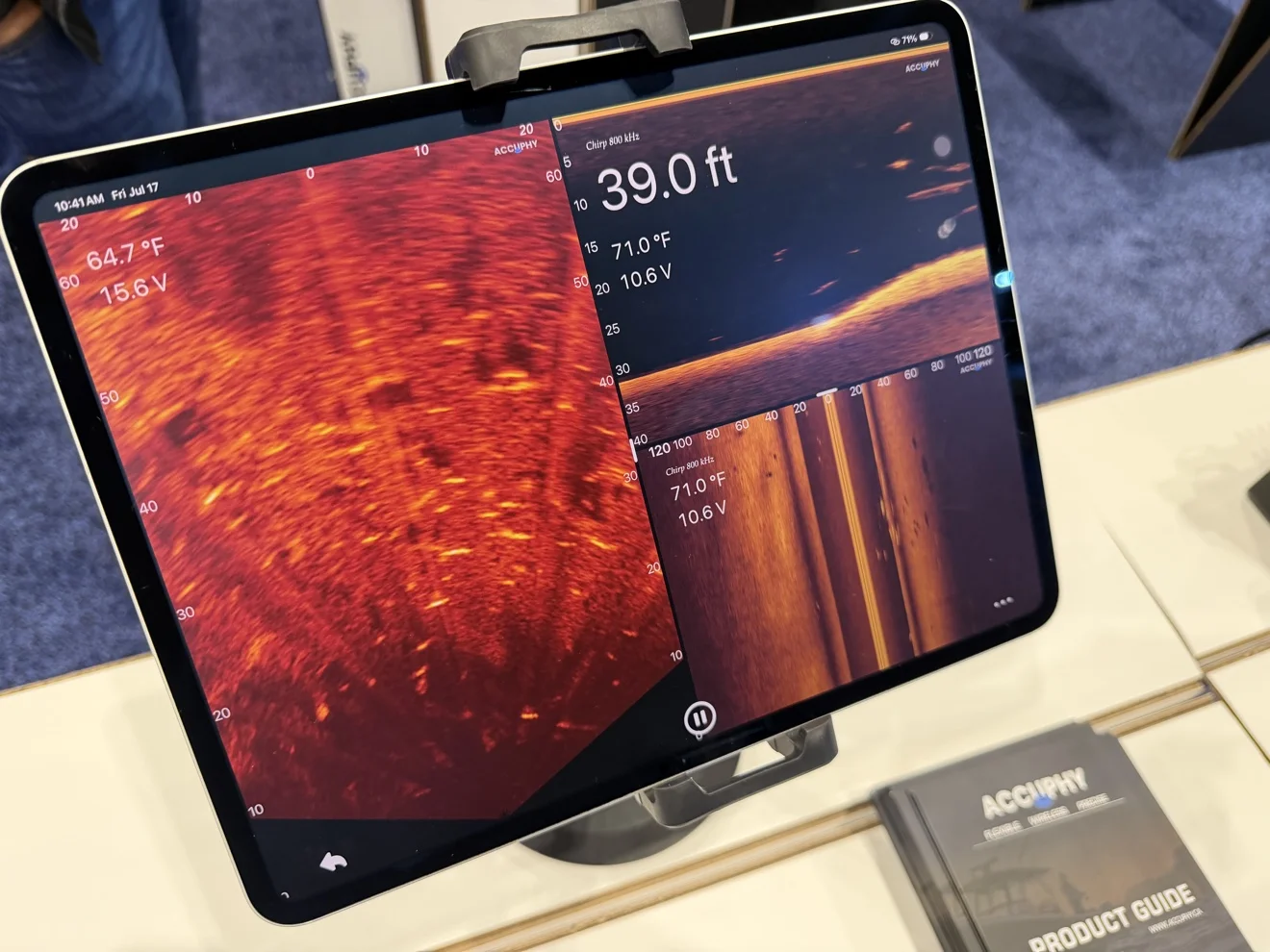
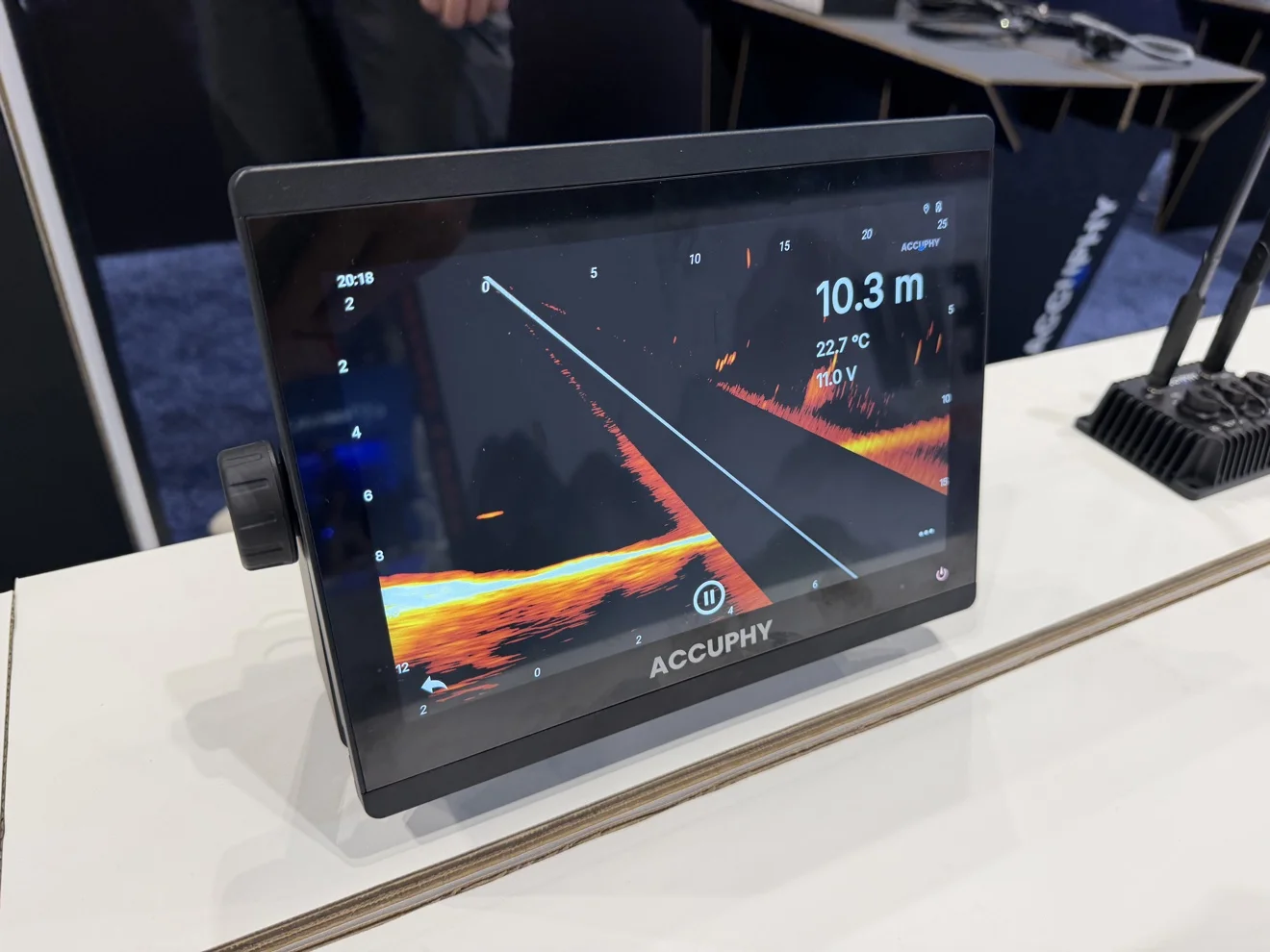
Best Fish Finder for Kayaks: Accuphy Ping Live Mini
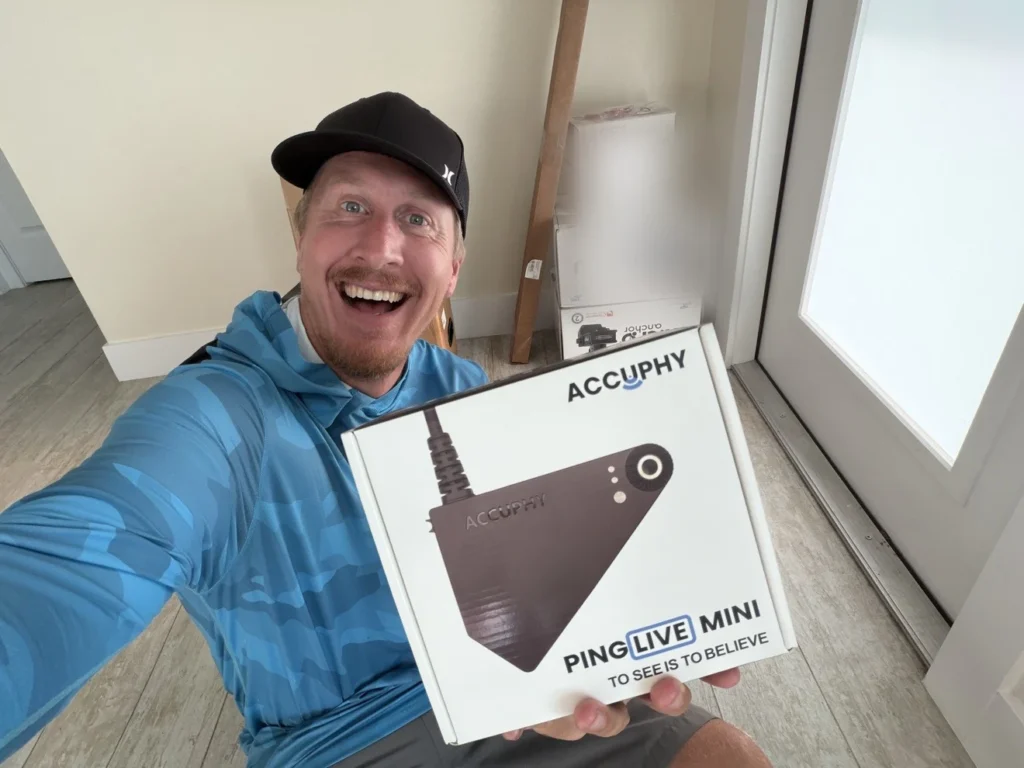
The Accuphy Ping Live Mini is the best value in kayak fish finders right now. It is the most affordable live sonar on the market — around $699 — and it streams to your phone or tablet via app. If you want a dedicated display, it pairs with Accuphy’s KingFisher 10.
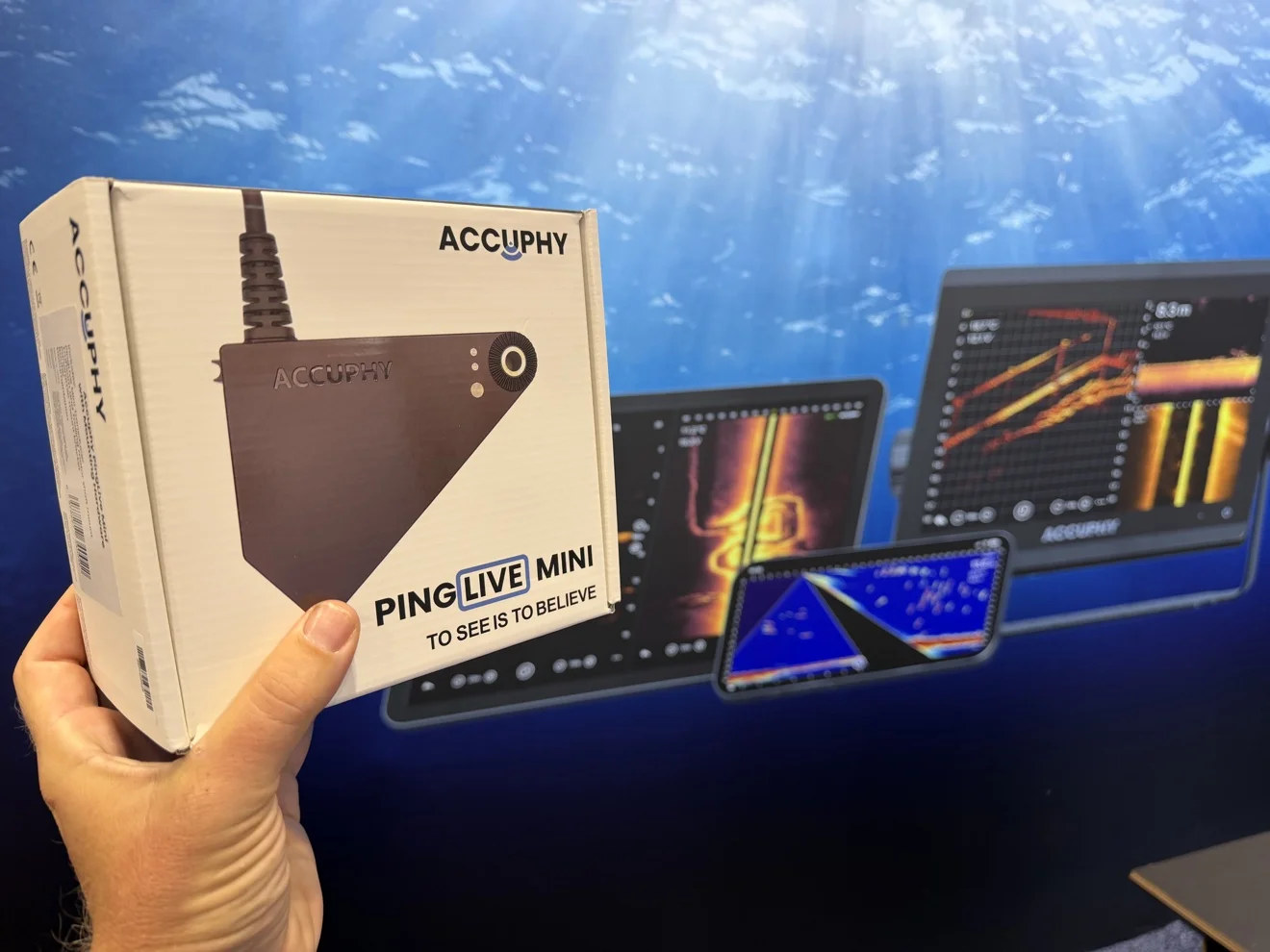
Live sonar at this price was unthinkable a few years ago. If you are serious about finding fish from a kayak, this is where I would put my money.
Best Budget Fish Finder: Garmin Striker 4 Series
The Garmin Striker 4 ($160) and Striker 4 CV ($180) have been the best budget fish finders for years, and nothing has dethroned them. The CV model adds CHIRP sonar for more detail.
What you get for under $200 is honestly ridiculous:
- QuickDraw contour mapping — store up to 2 million acres with 1-foot contours
- Basic chartplotter with waypoint marking
- CHIRP sonar detail (CV model)
If you are new to kayak fishing or just want basic functionality that works, start here.
What Screen Size Do You Actually Need?
It depends on how far the screen sits from your eyes:
- 4-inch: totally fine if the display is within 2–2.5 feet of your eyes. I have used 4″ units with no problem at that distance.
- 7-inch: my pick when the screen sits farther away. There is not much price difference between 5″ and 7″ units, so jump to 7″.
- 9-inch+: only worth it if you are running two views on one screen — like maps and sonar side by side. Otherwise, big screens on kayaks are more of a status symbol than a necessity.
How to Mount Your Transducer
Most fishing kayaks made in the last few years have a dedicated transducer pocket on the underside of the hull, plus a scupper the cable runs up through to the display. Check yours first — you may not need to buy anything.
If your kayak does not have one, my favorite track-mount solution is the YakAttack Switchblade Transducer Arm. It locks into your gear track and holds the transducer securely in the water.
Fish Finders to Avoid
I would not waste money on Deeper or Hawkeye fish finders. They are gimmicky — the kind of thing inexperienced anglers buy before they know better. Experienced anglers can see they are not a good value for the features and specs you get. Cheap integrated battery, mediocre capabilities for the price.
You are far better off getting a Garmin Striker 4 for similar or less money.
One exception to watch: Deeper is about to release a compact all-in-one live sonar that streams to phones and tablets. That looks genuinely interesting. But for now, every current Deeper model is a skip.
Frequently Asked Questions
What is the best fish finder for a kayak?
The Accuphy Ping Live Mini (~$699) is the best value — the most affordable live sonar available, streaming to your phone or tablet. For a budget option under $200, the Garmin Striker 4 series is unbeatable.
What size fish finder screen do I need on a kayak?
A 4″ screen works fine within 2–2.5 feet of your eyes. Go 7″ if the display sits farther away — the price jump from 5″ to 7″ is small. Only go 9″+ if you need maps and sonar on screen at the same time.
How do you mount a transducer on a kayak without a pocket?
Use a track-mount arm like the YakAttack Switchblade Transducer Arm. It locks into your kayak’s gear track and holds the transducer in the water securely.
Are Deeper fish finders any good?
Not in my opinion. They are overpriced for what you get — a Garmin Striker 4 gives you more capability for similar or less money. Deeper’s upcoming compact live sonar looks interesting, but I would wait for that rather than buy their current models.
Affiliate disclosure: KayakDIY may earn a commission from qualifying purchases made through links in this article, at no additional cost to the reader.