Pick the wrong battery and your fish finder dies at noon. Pick the right one and you stop thinking about power entirely. Here is exactly what I run and why.
The Short Answer: 12V 20Ah Lithium (for Electronics)
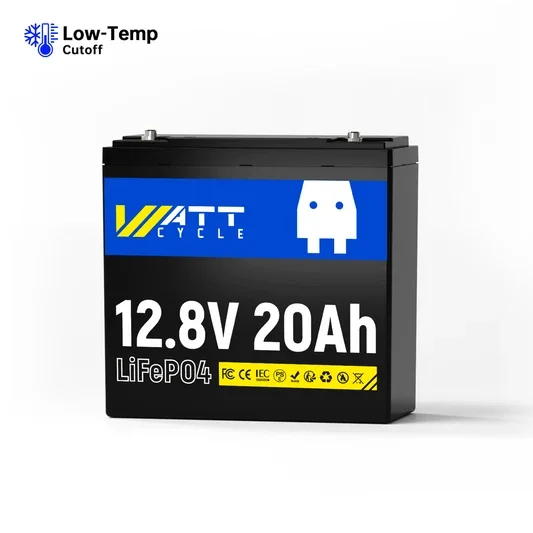
For running a fish finder all day, I run a 12V 20Ah LiFePO4 battery. It is the sweet spot for price, amp-hour capacity, and size. It covers every typical kayak fish finder for a full day of fishing — and then some.
Is it overkill for a small 4-inch unit? Maybe. But I would rather carry a little extra capacity than watch my screen go dark at 2pm.
Quick clarification: this guide is about batteries for non-motorized kayaks — powering your fish finder, lights, and phone charger. If you are running a trolling motor, you need a much bigger battery (50–100Ah+). I cover motor batteries in my best kayak motors guide.
How Long Does 20Ah Actually Last?
It depends on your fish finder’s screen size and power draw:
- Small (4–5″ screens): draws 0.4–0.5A → 35–45+ hours
- Mid-size (7–9″ screens): draws 0.8–1.0A → 20–24 hours
- Live Sonar (7–9″ screens): draws 1.5–2.5A+ → 8–12 hours
Even the most power-hungry live sonar units get a full day out of 20Ah.
What About Running Lights Too?
Same answer: 12V 20Ah. Navigation and deck lights are almost always LED, and LEDs barely sip power. A 20Ah battery runs even the most demanding live sonar fish finder plus LED lights for approximately 10 hours. One battery, everything covered.
Lithium vs Lead-Acid: Is Lithium Worth It?
Yes. When we say “lithium” for kayaks, we mean LiFePO4 batteries. Here is why they win:
- Flatter voltage curve. Lithium holds its voltage steady as it discharges. Most 12V fish finders can run as low as 9V — a lithium battery stays above 9V far longer than lead-acid, which drops voltage fast and leaves usable capacity on the table.
- More lifetime cycles. A good LiFePO4 battery outlasts lead-acid by years.
- Half the weight. This matters in a kayak.
Lithium is now the smarter financial purchase — not just the better performer.
One warning: if you run a brushed trolling motor on lithium, do not sit at 100% throttle for long stretches. Minn Kota recommends max 80% throttle on lithium — pushing beyond that can damage brushed motors over time.
What Battery Brands Do I Recommend?
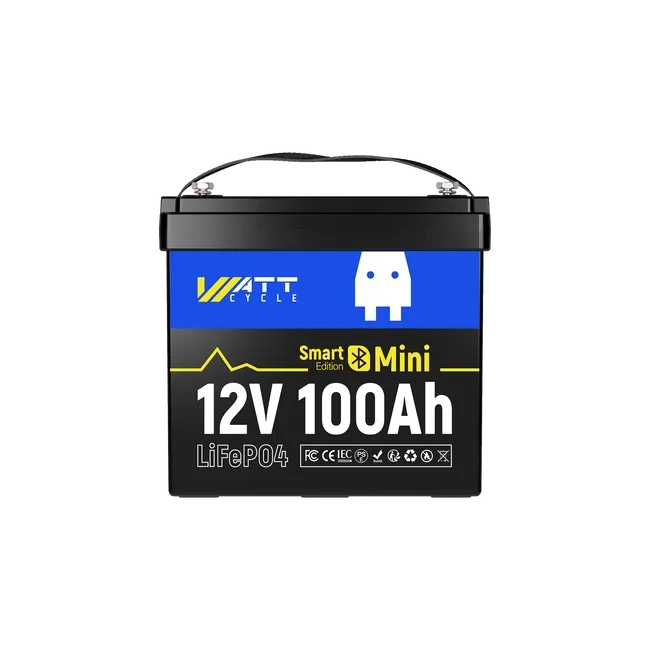
I have had nothing but great reliability from WattCycle and LiTime. They use Grade A cells, carry real certifications (UL listings, CE, and more), and cost a fraction of the premium brands.
What I would skip: ultra-premium batteries like Dakota Lithium. They charge 2x the money — $600+ for a 12V 100Ah battery — and I do not see what you get for it. The budget brands with Grade A cells perform just as well.
The spec that matters most is not the brand name on the case — it is Grade A cells inside it. That is what determines reliability and lifespan.
What If My Kayak Has a Trolling Motor?
Then 20Ah is not enough — not even close. Trolling motors draw far more current than electronics. As a rough guide:
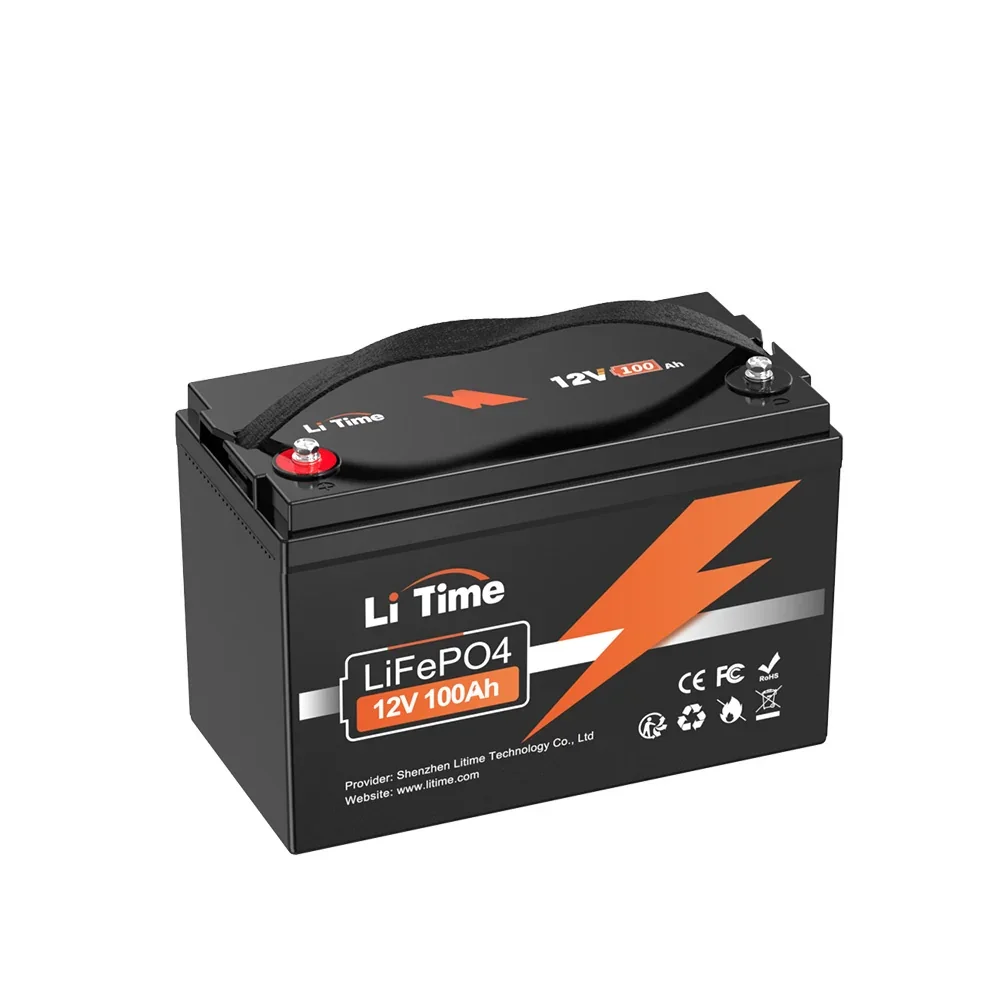
- 12V trolling motor (like AutoBoat): 100Ah lithium for a full day — I prefer the 12V 100Ah Mini Bluetooth BMS from WattCycle or LiTime
- 24V system (like Bixpy with K-Power Module): 50Ah
- 36V system (like Newport NK300): 50Ah
See my best kayak motors guide for the exact battery I pair with each motor.
Frequently Asked Questions
What size battery do I need for a kayak fish finder?
12V 20Ah LiFePO4. It runs small units for 35+ hours, mid-size units for 20+ hours, and even power-hungry live sonar for 8–12 hours. It is the sweet spot of price, capacity, and size.
Can one battery run my fish finder and lights?
Yes. LED lights draw very little power. A 12V 20Ah battery handles a live sonar fish finder plus LED lights for about 10 hours.
Is lithium worth the extra cost over lead-acid?
Yes. Lithium (LiFePO4) holds voltage steadier, giving you more usable capacity — most 12V fish finders work down to 9V, and lithium stays above that threshold far longer. It also lasts more charge cycles and weighs half as much. It is the smarter buy now.
Are expensive batteries like Dakota Lithium worth it?
In my experience, no. Brands like WattCycle and LiTime use Grade A cells with proper certifications at half the price, and I have had great reliability from both. Look for Grade A cells and UL/CE certifications, not a premium logo.
Affiliate disclosure: KayakDIY may earn a commission from qualifying purchases made through links in this article, at no additional cost to the reader.